


Introduction
In the current era of the Fourth Industrial Revolution ,also known as the Age of Artificial Intelligence(Windarsih et al., 2024). The integration of technological tools into education practices has become increasingly important for enhancing teaching and learning experiences, as artificial intelligence has added many digital tools and features thathave directly contributedto improving various learning outcomes, among these tools are AI-Chatbots, which rely on AI and deep learning algorithms and use advanced natural language processing (NLP) techniques(Maheswari & Nagarajan, 2024), and looking at these smart tools, we find that they have become essential component of modern educational ecosystems. Chatbots have revolutionized the educational landscape by providing immediate and personalized interactions that enhance learning experiences, can interact with learners automatically, provide immediate answers, offer customized learning experiences, and provide many types of questions and exercises that enrich the educational field and provide an active environment for students for real training and practice(Elkot, 2019). They also answer students' queries in real time, significantly reducing waiting times for information(El Azhari et al., 2023).
At a time when individualized interaction and support for students by teachers are often lacking due to the shortcomings of traditional education, AI chatbots offer personalized and interactive support tailored to the individual needs of students. They provide an interactive solution for each student that adapts to their needs, desires, inclinations, and orientations by addressing their queries and questions regarding the educational content(Xie & Correia, 2024).
Therefore, AI chatbots, as an innovative technology, have become so crucial that many researchers and studies in the educational field have addressed them as an intervention strategy, specifically regarding their impact on various learning outcomes.(Hu et al., 2024).(Chang et al., 2022)indicates in his study that the use of chatbots led to improvements in the academic and cognitive performance and self-efficacy of students, as well as improving the level of learning engagement, and(Y.-T. Lin& Ye, 2023)also emphasizes that it contributed to enhancing the level of cognitive achievement of students in the biology course. The results of(M. P.-C.Lin & Chang, 2023)also showed that chatbots increase students' engagement in learning and motivation.(Mosleh et al., 2024)Also, the positive impact of chatbots on the academic performance and emotional intelligence of university students was indicated, as well as the fact that chatbots positively improved self-regulated learning and intrinsic motivation. It worked to reduce digital illiteracy among learners,as indicated by(Chiu et al., 2023).This is in addition to the results of previous studies regarding the impact of chatbots on critical thinking, social presence, and increased academic passion(Ebadi & Amini, 2024; Hong et al., 2023).
Although many review studies have focused on the effectiveness of chatbots, most provide general results(Debets et al., 2025). Few specifically address learning outcomes, and several were conducted within limited contexts or communities. Therefore, the study of chatbot technology in education—and its impact on learning outcomes—remains influenced by many variables. This study aims to examine the effects of chatbot use in academic settings on various learning outcomes, through a systematic literature review designed to answer the following research questions.
1.What methodologies and evaluation tools have been used with AI chatbots?
2.What learning outcomes have been developed through using AI chatbots?
3.How can AI chatbots be leveraged to improve different learning outcomes?
Literature Review
AI Chatbot and Learning Outcomes
Chatbots are among the most important artificial intelligence tools, relying on deep learning and natural language processing (NLP) techniques. Previously, these systems’ capabilities and features were limited; however, they now leverage large language models (LLMs) with enhanced functionalities that emulate human cognitive and mental abilities. When we examine AI-powered chatbots in education, we view them as sophisticated tools designed to enhance learning experiences, streamline administrative tasks, and provide personalized support to students. These chatbots are built to interact with learners, provide immediate feedback, deliver personalized educational content, and offer contextual information. By tailoring their responses to individual student needs, they deliver immediate support and reinforcement to the learner(Bolambao et al., 2024; Elkot et al., 2025).
The importance of these chatbots is that they provide real-time assistance, allowing learners to receive immediate answers to their queries, which is critical in the learning process(Bekkar & Chtouki, 2024). Hence, these chatbots act as a teaching assistant to enhance learning experiences and provide support across different learning contexts(Nikil& Roopa,2024). On the other hand, intelligent chatbots can be used to analyze academic performance data to identify trends and support decision-making processes within educational institutions(Reddy et al., 2024).
So, the importance of these chatbots in the educational field becomes clear, as their impact can be shown in academic and administrative aspects, as well as factors related to learning analytics, follow-up, and many other tasks. Chatbots are characterized by a set of characteristics that qualify them to support the teaching and learning process, including Effectiveness, which is evident in accurate and timely responses to user queries, which enhances trust and encourages continuous interaction with learners(Kim, 2024), Anthropomorphism, which is the ability of chatbots to display human-like traits and skills, which enhances the ability to communicate and support the learner(Ali & Elkot, 2024; Jedrzejczak & Kobosko, 2024). Through machine learning and natural language processing, chatbots can customize learning based on user preferences and previous experiences, improving the learning experience and considering individual differences between learners. These characteristics have distinguished chatbots as an essential and integral part of the modern educational system.
The current study will focus on an important aspect, namely, the impact of chatbots on different learning outcomes. According to the methodology followed in this study and considering the review of previous studies and research that used intelligent chatbots as an experimental treatment forthese research, we find that the results of many of these research and studies indicate the positive impact of chatbots on many different learning outcomes, whether cognitive, affective, or psychomotor, as shown in Figure 1.
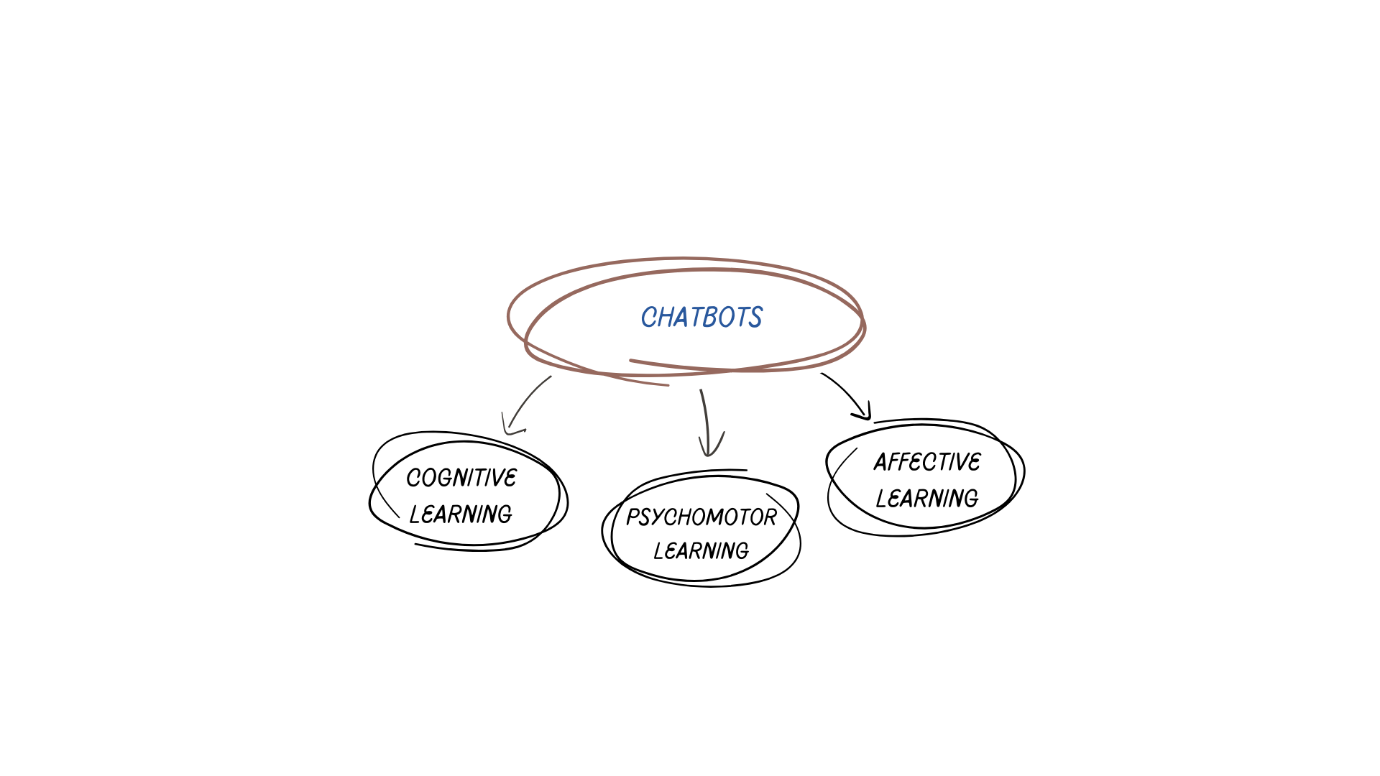
Figure1. Shows the Impact of Chatbots on Cognitive, Affective, and Psychomotor Learning Outcomes
The role of chatbots and their impact on learning outcomes can be summarized as follows:
Support critical thinking: Critical thinking in students is fostered by engaging them in conversations, guided questioning, and in-depth analysis, as confirmed by the(Farinetti & Canale, 2024; Gunawan et al., 2024).
Problem solving: Chatbots can help solve programming, mathematical, and logical problems and support reasoning, as noted by(Bapat et al.,2023; Urhan & Kocadere, 2024).
Developing language skills: Chatbots play an important role in real-time training and practice for learning English language skills, specifically live conversation, while adjusting the language level, speed, and tone appropriate for the learner, as confirmed by the results of the studies of Elkot et al.(2025), Mageira et al.(2022), and Yildiz (2024).
Stimulate motivation to learn: The results of several studies have indicated the impact of live chatbots on increasing learners' motivation and raising their motivation for the learning process(Al-Abdullatif et al., 2023; Kumar, 2021; Zhang et al., 2023).
Engagement in the learning process: Many studies have shown the positive relationship between the use of chatbots and engagement in the learning process, as it comes through the positive impact on students' interaction and motivation to learn, as indicated by the studies of Entenberg et al.(2023) andX. Guo(2023).
Develop self-assessment skills: Chatbots provide personalized feedback and facilitate self-assessment, enhancing users' ability to assess their knowledge and skills accurately(Chiu et al., 2023; Ortega-Ochoa et al., 2024; Prasetya & Syarif, 2023).
Developing self-efficacy: The relationship between chatbot use and self-efficacy is multifaceted. Studies reveal that increased interaction with chatbots can boost users' confidence in their abilities. The results of previous studies indicate that self-efficacy significantly influences how individuals interact with chatbots, which in turn affects their performance and learning outcomes(Esiyok et al., 2024; Kumar, 2021).
Increased cognitive ability (achievement): As a result of the ability of chatbots to simulate human mental and intellectual skills, with the possibility of generating abundant scientific content related to cognitive aspects, many previous studies have confirmed the existence of a positive relationship between chatbots and increased cognitive achievement among learners (Chang et al., 2022; Y.-T. Lin& Ye, 2023).
Promote personalized learning: Chatbots adapt to individual learning needs and promote customized learning experiences that suit the diverse styles and levels of students (Nghi & Anh, 2024).
Given the above, the significance of AI chatbots and their influence on learning outcomes is apparent. This recognition prompted the researcher to conduct a comprehensive literature review, focusing on empirical studies examining these technologies' impact on educational outcomes. The aim was to develop a thorough and accurate understanding of their effects. The theoretical framework underpinning this study is presented in the following section.
Theoretical Framework
AI-powered chatbots are increasingly appreciated due to their compatibility with different teaching and learning theories, enhancing educational experiences through interactive and personalized support, through a range of theories, including Cognitive Load Theory (CLT), which helps chatbots manage and reduce cognitive load by simplifying complex information and providing immediate feedback, which enhances learning efficiency(Mungai et al., 2024). Constructivist Learning Theory (CLT) promotes active learning by engaging students in conversations, problem-solving activities, and various interactions, promoting a deeper understanding of educational content(Zhang et al., 2023). As well as Adaptive Learning Theory, where chatbots personalize learning experiences by adapting content based on students' performance and individual preferences, ensuring that learning support is tailored to each learner(Sonderegger & Seufert, 2022). Constructivist theory emphasizes that learners construct their understanding and knowledge of the world through experimentation and reflection in real learning situations, and chatbots can facilitate this by providing personalized interactions that encourage exploration, inquiry, investigation, and research, as well as Self-Regulated Learning Theory, which highlights the importance of learners monitoring their learning process. Chatbots support self-regulation of learning by providing feedback and resources that help learners set goals and monitor their progress(Sonderegger & Seufert, 2022).
Search Strategy
The keywords Chatbots were identified through the Web of Science, and 4933 search results were obtained. The search was restricted by the following specifications: (Year = 2021-2024), (Language = English), (Types = Article). The resulting file was exported as a text file to the Vos viewer application, an analysis was performed based on the settings Co-occurrence, All keywords The minimum number of keywords was set at the number of occurrences of a keyword was set at five words and the search result met the number of 96 words, of which 61 keywords were selected that are related to the research topic and the most frequent words were (Chatbots = 365), (Artificial Intelligence = 89), (natural language processing = 35), (AI = 11), and as we can see in Figure (2) the keywords for the Chatbots position through the Web of Science.
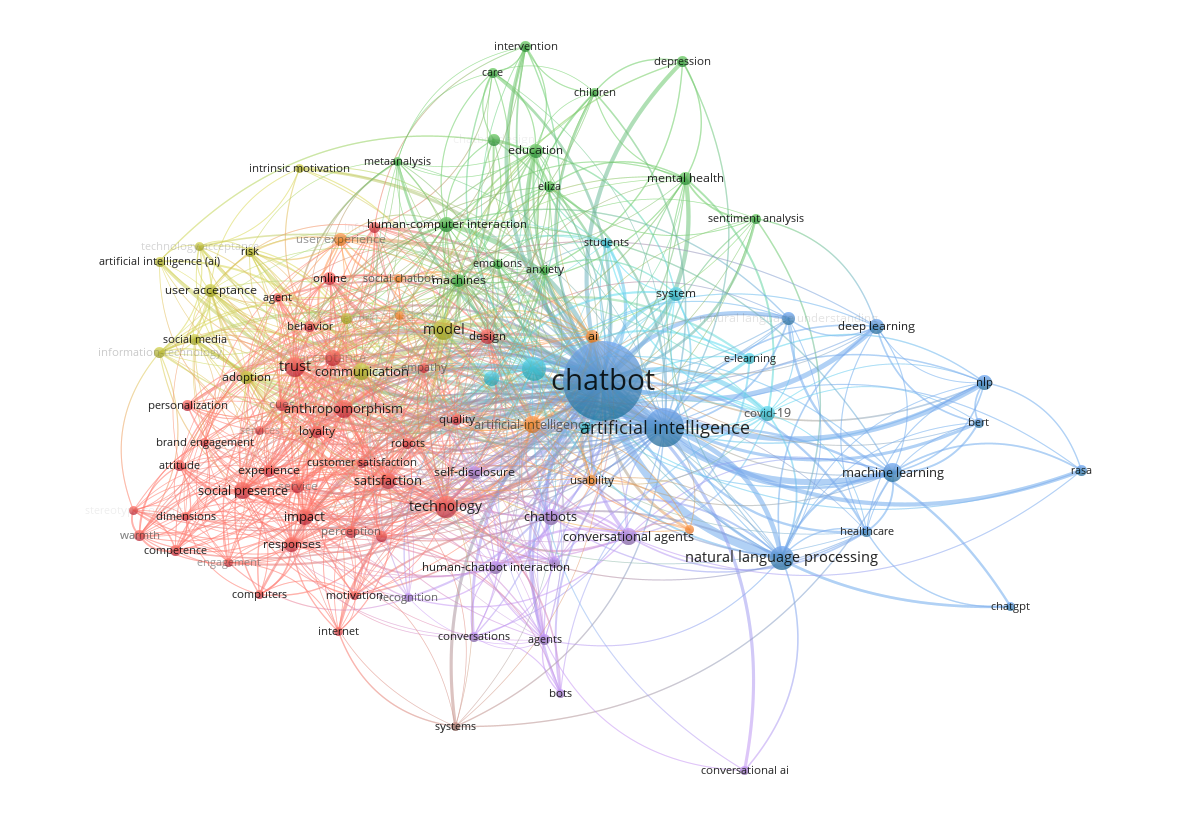
Figure 2. Chatbot Placement Keywords from the Web of Science
The same keywords were also searched in Scopus after adjusting the search settings to be related, and 1788 results were obtained, bringing the total number of scientific papers according to the search in the two databases to 6721.
Methodology
The study included a systematic review to carefully investigate the impact of using AI chatbots on some learning outcomes. It followed a systematic review procedure(Glass et al., 1981), which included gathering pertinent research and classifying these studies' features. The study followed the widely recognized Preferred Reporting Items for Systematic Reviews (PRISMA) methodology(Basenach et al., 2023).
The PICO criteria (Population, Intervention, Comparison, and Outcome) were applied when searching for and choosing studies for the systematic review(Elbadawi et al., 2023)on the impact of chatbot use on learning outcomes.
Population (P): Student, Intervention (I): Chatbots, Comparison (C): One group or more, Outcome (O): Learning outcomes.
These studies must also be peer-reviewed, and the study methodology must be empirical.
Inclusion/Exclusion Criteria:
To identify relevant studies, the inclusion criteria were followed, and the remaining articles were screened according to the predefined selection and exclusion criteria in Table 1:
Table 1. Inclusion/Exclusion Criteria
| Exclusion | Inclusion | Criteria |
| Any Article outside the period | From (2021: 2024) | Publication period |
| Non-English | English | Language |
| Dissertations or Conferences proceeding | Peer-review articles | Type |
| Non- Full text | Full text article | Availability |
| - | All Learning outcomes | Learning outcomes |
| Neither (AI) nor (education) | AI, Chatbots in education | Area |
| - | Quantitative, Qualitative, Mixed method | Methodology |
Study Selection
The initial results of the search of the included databases showed 6721 scientific papers. After reviewing the titles, 6441 studies were excluded. The remaining papers (280) were confirmed and reviewed. After applying the exclusion criteria, the number of excluded articles amounted to 252.
The remaining articles (28) were thoroughly reviewed regarding their relevance to the current study's objectives and questions, and included the criteria, procedures, and methods used. Two (2) articles that did not have clear methods and procedures were excluded. The remaining 26 articles were finally included in the systematic review. Figure 3 shows the PRISMA process that was followed.
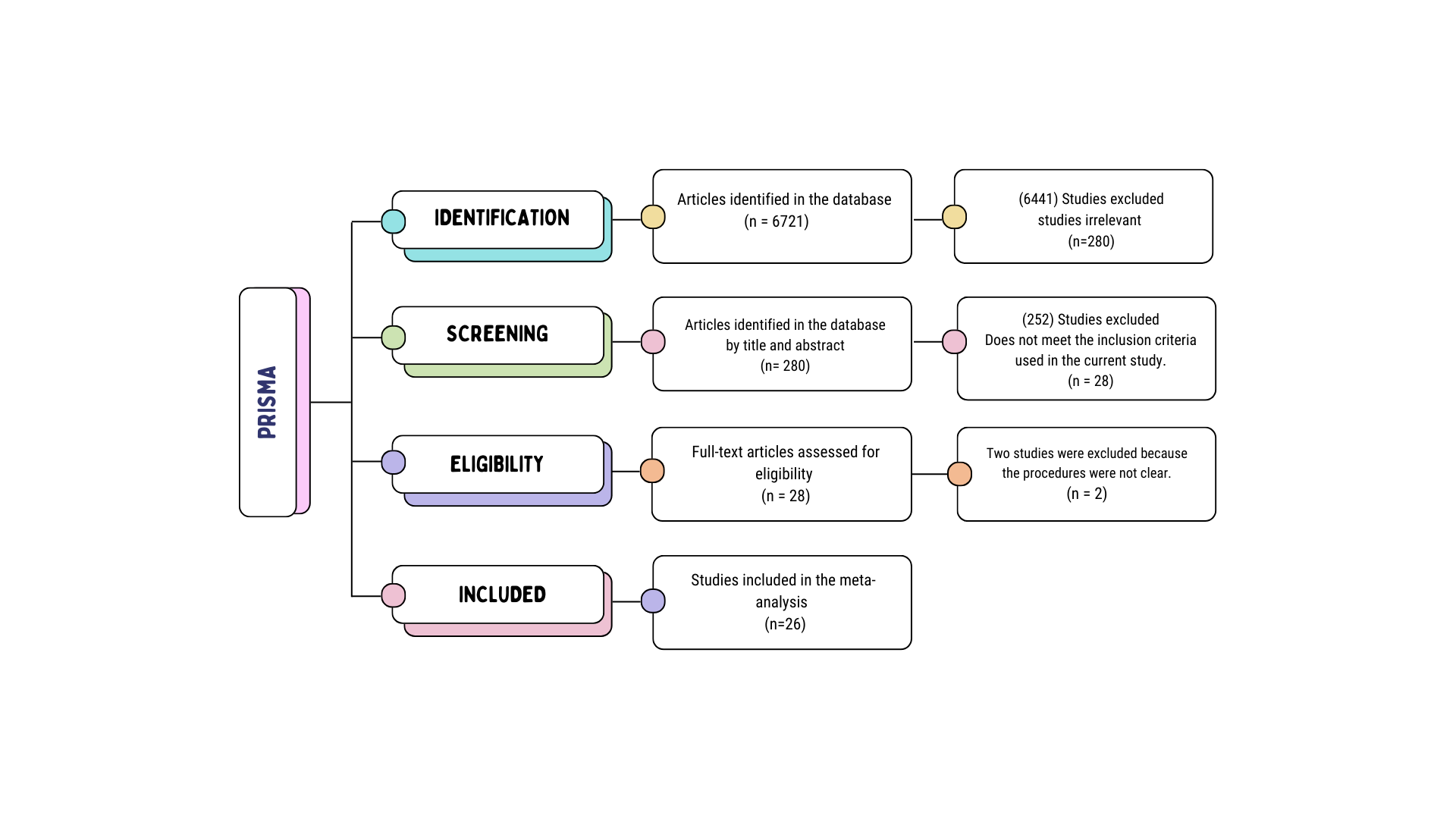
Figure 3. PRISMA Principles for the Current Study
Data Extraction and Analysis
The research papers (n=26), as shown in Table 2, were further analyzed to provide data results related to the research questions and thoroughly analyzed to extract the associated findings.
Table 2. The 26 Studies included in the Review
| Outcome | Author | Source |
| learning achievement, self-efficacy | (Chang et al., 2022) | WoS & Scopus |
| Learning English | (Sarosa et al., 2021) | Scopus |
| Engagement, motivation, and learning outcomes | (M. P.-C. Lin & Chang, 2023) | Scopus |
| Achievements | (Y.-T. Lin & Ye, 2023) | WoS & Scopus |
| Academic performance and students’ emotional intelligence | (Mosleh et al., 2024) | WoS & Scopus |
| Engagement | (Shim et al., 2023) | WoS |
| Academia understanding and Attitudes Towards | (Neo, 2022) | Scopus |
| Motivation and teaching processes | (Al-Abdullatif et al., 2023) | Scopus |
| Motivation | (Chiu et al., 2023) | WoS & Scopus |
| Learning performance, perception of learning, motivation, creative self-efficacy, and teamwork Learning performance | (Kumar, 2021) | Scopus |
| Motivation | (Yin et al., 2024) | WoS & Scopus |
| Language Learning | (Mageira et al., 2022) | WoS & Scopus |
| Enhance learning environments | (Vázquez-Cano et al., 2021) | WoS & Scopus |
| Competencies, motivation, self-regulation, and metacognitive reasoning | (Ortega-Ochoa et al., 2024) | WoS & Scopus |
| Achievement and Motivation | (Khlaisang & Koraneekij, 2024) | Scopus |
| Self-efficacy, Self-Directed learning with technology (SDLT) | (Esiyok et al., 2024) | Scopus |
| Self-efficacy level of English | (Yildiz, 2024) | Scopus |
| Efficacy Learning Engagement | (Entenberg et al., 2023) | Scopus |
| Learner’s experience | (Ryong et al., 2024) | WoS & Scopus |
| Developing knowledge of logical fallacy in EFL writing and enhancing learner motivation | (Zhang et al., 2023) | WoS & Scopus |
| Satisfaction | (Kaiss et al., 2024) | WoS & Scopus |
| Students’ attitudes toward the potential role of AI, the role of social presence and human likeness on learner motivation | (Ebadi & Amini, 2024) | WoS & Scopus |
| Engage in argumentative dialogues | (K. Guo et al., 2023) | WoS & Scopus |
| Self-regulated learning skills, Digital Literacy, and Intrinsic motivation | (Chiu et al., 2023) | WoS & Scopus |
| Social presence, and learning outcome | (Hong et al., 2023) | WoS & Scopus |
| Students’ learning motivation and performance | (Yin et al., 2020) | WoS & Scopus |
Assessing the Quality
The Newcastle-Ottawa Scale (NOS) is a well-established tool for assessing the quality of nonrandomized studies. The “star system” evaluates studies according to three main criteria: selection of research groups, comparability of groups, and ascertainment of exposure or outcome. This methodology helps researchers assess the quality of evidence in systematic reviews. The scale was used to screen and select existing studies for systematic review.
This scale includes five parts: intervention group (0–1 points), selection (0–1 points), availability of the comparison group (0–2 points), study retention (0–1 points), and assessment blinding (0–1 points). The study quality was classified as high (5-6 points), medium (3-4 points), or low (0–2 points).
Results
Considering reviewing and analyzing previous studies, the following questions can be answered in the current research:
As for the answer to the first question, which states:
What Methodologies and Evaluation Tools have been used with AI Chatbots?
Table 3 shows the methodologies applied in the 26 studies reviewed and analyzed, and the data collection tools used. Regarding the methodology, the studies that used quantitative methodology (18), the studies that used qualitative methodology (3), and the studies that used mixed methodology (5) were found.
Table 3. Shows the Method and Tools used in the Study
| Tools | Methodology | Author |
| Questionnaires and Semi-structured interviews | Quasi-experimental design (Quantitative) | (Chang et al., 2022) |
| A pre-test and a post-test | Quasi-experimental design (Quantitative) | (Sarosa et al., 2021) |
| Theoretical analysis | (Qualitative) | (M. P.-C. Lin & Chang, 2023) |
| Tests | Quasi-experimental design (Quantitative) | (Y.-T. Lin & Ye, 2023) |
| Questionnaire | (Quantitative) | (Mosleh et al., 2024) |
| Survey/questionnaire | (Quantitative) | (Shim et al., 2023) |
| Survey/questionnaire | (Quantitative) | (Neo, 2022) |
| Case evaluations across subject domains | (Qualitative) | (Al-Abdullatif et al., 2023) |
| Questionnaire | Quasi-experimental design (Quantitative) | (Chiu et al., 2023) |
| QuestionnaireSurvey+ Interviews or observations | Mixed method | (Kumar, 2021) |
| Surveys | Experimental design(Quantitative) | (Yin et al., 2024) |
| A pre-test and a post-test questionnaire | Experimental design(Quantitative) | (Mageira et al., 2022) |
| A pre-test and a post-test | Quasi-experimental design (Quantitative) | (Vázquez-Cano et al., 2021) |
| Test and questionnaire | Quasi-experimental design (Quantitative) | (Ortega-Ochoa et al., 2024) |
| Questionnaire and interviews | Mixed method | (Khlaisang & Koraneekij, 2024) |
| Survey/questionnaire | Quantitative | (Esiyok et al., 2024) |
| A pre-test and a post-test interviews | Mixed method | (Yildiz, 2024) |
| Pre- and post-intervention surveys | Experimental de(Quantitative) | (Entenberg et al., 2023) |
| Surveys | Experimental design(Quantitative) | (Ryong et al., 2024) |
| A pre-test and a post-testSemi-structured interviews/ | Experimental design(Quantitative) | (Zhang et al., 2023) |
| Questionnaire | Mixed method | (Kaiss et al., 2024) |
| Questionnaire Audio recording devices | Mixed method | (Ebadi & Amini, 2024) |
| Audio recording devices | Case study (Qualitative) | (K. Guo et al., 2023) |
| Test | Experimental design(Quantitative) | (Chiu et al., 2023) |
| Questionnaires | Experimental design(Quantitative) | (Hong et al., 2023) |
| Questionnaires | Quasi-experimental design (Quantitative) | (Yin et al., 2020) |
The data collected regarding evaluation tools revealed many similarities in the procedures used. Tests and questionnaires were the tools and data sources used in the studies that followed the quantitative approach to data collection, while the qualitative research tools varied, as shown in the table in the records and audio recording. The five studies that followed the mixed approach included tests, questionnaires, and interviews.
As for the answer to the second question:
What Learning outcomes have beenDevelopedthrough using AI Chatbots?
By analyzing and reviewing previous studies and the target population in this study, several learning outcomes are positively correlated with chatbots, which will be mentioned as follows:
Motivation
According toChiu et al. (2023), teachers' support of chatbot use enhanced students' intrinsic motivation to learn, especially when a self-supportive environment was available.(Ryong et al., 2024)showed that a chatbot that supported motivation promoted self-confidence and enjoyment of learning, which increased students' motivation to pursue online study(Khlaisang & Koraneekij, 2024).Revealed that integrating chatbots into a game-enhanced self-directed learning system significantly increased students' achievement motivation in MOOCs. According to(K. Guo et al., 2023), using chatbots in classroom discussions fostered emotional and cognitive engagement, motivating students to participate more actively. As well as(Ortega-Ochoa et al., 2024)showed that emotional feedback provided by chatbots was as effective as human tutors in enhancing motivation and self-regulation. Also,(Yin et al., 2024)showed that chatbots providing metacognitive feedback reduced negative emotions and enhanced intrinsic motivation by creating a stimulating interactive environment. Finally, the experiment of Al-Abdullatif et al. (2023)in Saudi universities showed that students who used chatbots were more motivated and applied cognitive and metacognitive strategies than the control group.
Hence, we can conclude that these studies emphasized that AI chatbots can effectively motivate students through several mechanisms, such as providing emotional and cognitive support that enhances self-efficacy, creating interactive learning environments that increase self-motivation, and providing immediate feedback that promotes continued learning.
Self-efficacy
Chang et al. (2022) indicated that using a mobile chatbot in education significantly enhanced students' self-efficacy compared to traditional education. Student feedback and outcome analysis suggested that the bot increased their ability and confidence in learning. Kumar (2021) found that smart bots helped improve academic performance and teamwork, but did not significantly affect creative self-efficacy, meaning that they did not significantly enhance students' sense of creativity or self-confidence compared to other outcomes(Esiyok et al., 2024). Confirmed that self-efficacy positively influenced how easy it was for students to use a chatbot, but did not establish a relationship between self-efficacy and using bots for educational purposes. In other words, students who were more confident in using technology found the bot easier to use, but this did not directly affect their learning self-efficacy. Finally, the results of(Entenberg et al., 2023)showed that the chatbot intervention enhanced learning and interaction. However, no differences in parents' self-efficacy in parenting skills were found immediately after the intervention (within 24 hours). The researchers noted that the duration of the intervention was too short to have a tangible impact on self-efficacy.
By reviewing results from previous studies(Adla et al., 2020; Esiyok et al., 2024), we can see that the chatbot's impact on learners' self-efficacy varies depending on the educational field and the nature of the intervention. It can be said that the chatbot's effectiveness in enhancing self-efficacy is evident in contexts where the intervention is integrated with the learner's needs and sufficient time is given for interaction. At the same time, the impact remains limited when the duration or scope of the intervention is limited to non-academic or directly applied elements (Entenberg et al., 2023).
Achievement and Academic Performance
In reviewing the research and studies addressing academic or cognitive performance, a noticeable impact of chatbots on these educational outcomes emerges(Chang et al., 2022), indicating that using mobile-based chatbots increased academic achievement compared to traditional methods. Moreover, students demonstrated greater engagement and satisfaction with the intelligent learning process. Similarly, the study by(Y.-T. Lin& Ye, 2023)showed that chatbots significantly improved students’ academic performance, particularly outside classroom hours, along with an enhanced ability to review knowledge independently.
A study(Mosleh et al., 2024)found a positive correlation between the intensity of chatbot use and the level of achievement; students who used chatbots the most were more academically superior. The study(Chiu et al., 2023)also confirmed that there is an improvement in students' academic achievement level, especially if there is support from the teacher in addition to these bots. Finally, the results of(Kaiss et al., 2024)indicated that the use of chatbots led to increased satisfaction and improved academic results across all experimental groups, which affected the educational performance of all students.
From the above findings, it can be concluded that chatbots can be effective teaching aids that increase educational attainment and academic performance compared to traditional methods, especially in virtual environments or when human support is not available. In addition, some research has noted that the positive impact is greater when the support of a real teacher complements the robot's role, and when learners have high digital competencies.
Learning Engagement
Engagement in learning is one of the essential educational outcomes. The reviewed studies indicated that the use of chatbots impacts it either independently or through its interaction with other variables.(M. P.-C.Lin & Chang, 2023), The results showed that integrating personalized chatbots can enhance student engagement in the educational process through three axes: Personalized feedback, goal planning, and active learning strategies. She emphasized that using bots with input and active learning strategies increases students' motivation, autonomy, and deep knowledge.
The results of Ortega-Ochoa et al. (2024) confirm similar findings, as they indicated that providing specific types of emotional feedback contributes to the development of metacognition and self-engagement in the learning process, so the study recommended focusing on particular types of input supplied by intelligent robots. The study(Shim et al., 2023)also showed that the chatbot-building workshop impacted the students as they felt high or medium engagement during the experience, and more than 97% thought that the learning objectives were achieved. Therefore, it was concluded that these chatbot-building workshops increase students' motivation and practical engagement in learning and enhance their practical understanding of technology.
Finally, a study(Kaiss et al., 2024)investigating the impact of an AI chatbot on the achievement and engagement of sixth-grade students compared to a traditional constructivist curriculum showed a significant improvement in grades and information retention levels for students who used the robot. Students and teachers evaluated the robot's motivational aspect and engagement in learning positively. The study recommends the development of more robots with advanced communicative capabilities and broader applied engagement.
Considering the review of previous studies, chatbots effectively enhance student engagement in the educational process by motivating students and increasing their motivation towards active participation. They support self-directed learning by providing feedback and personalized planning. They promote understanding and metacognitive thinking through interactive methods and hands-on experiences. The effectiveness of robots influences student engagement in learning when their feedback is linked to the needs and specifications of the learner and course content, not just the mechanical automation of responses.
Self-Regulated Learning
A review of studies examining the impact of chatbot use on self-regulated learning reveals associated positive outcomes. The study by M. P.-C.Lin and Chang (2023), which explored the integration of chatbots within a self-regulated learning strategy, found that these tools support interactive self-assessment, enhancing students’ control over their learning paths, motivation, and self-efficacy. This effect is attributed to the provision of immediate feedback and personalized guidance. Similarly, the findings of(Ortega-Ochoa et al., 2024), which investigated the impact of cognitive and emotional input provided by chatbots compared to human teachers on students’ self-regulated learning, indicated no significant differences in supporting self-regulation. However, certain types of emotional feedback delivered by chatbots strongly influenced self-assessment indicators, such as engagement in self-reflection and improved self-perceptions of learning.
The results of a study(Mageira et al., 2022)that tested the effect of a cultural content and language learning robot on learner self-assessment responsibility revealed that using a robot in an interactive environment makes self-assessment more realistic and accurate, as it motivates students to perform continuous self-reviews based on the robot's immediate response and guidance, which promotes self-assessment habits and continuous academic improvement. Finally,(Ryong et al., 2024)investigated the effect of robot support patterns(internal or external stimulation or self-plan support) on self-regulated assessment. It was found that a robot using a support pattern that is inconsistent with the student's motivation (e.g., extrinsic to an intrinsically motivated student) improves feelings of self-efficacy, increases self-evaluation for persistence, strengthens the student's desire to persist, and improves continuous self-evaluation.
Based on the results of previous studies, chatbots are an effective tool in enhancing learners' self-assessment through interactive and personalized feedback. The ability of chatbots to provide additional (sometimes unexpected) motivation to students, which positively affects the sustainability of the self-assessment process; the effectiveness of a personalized chatbot and a human teacher in supporting self-regulated assessment, especially when designing responses based on the learner's thinking patterns or personality traits; and the prominent role of emotional feedback and personalized guidance in raising the quality of self-assessment.
The results of previous studies showed a significant impact on the development of language skills by including chatbots in the educational strategy. The study ofMageira et al. (2022), which targeted teaching English or French, stated that the chatbot effectively contributed to achieving interactive and integrated learning, where cognitive content was integrated with language learning. Students were able to acquire linguistic and cultural knowledge simultaneously. The results of a study(Vázquez-Cano et al., 2021)aimed at testing the effectiveness of chatbots in teaching punctuation in Spanish to distance education students showed that students expressed that chatbots provided constant support and interaction, a sense of companionship, and ease of use. This led to a clear improvement in their level compared to the traditional form of learning.
On the other hand, a study(Habeb Al-Obaydi et al., 2023), which tested the use of a chatbot as a language teaching tool through a writing task and the interaction of university students, revealed that there are no immediate behavioral changes in students' learning, but rather repetition. Prolonged use can support the motivation to participate and learn. The chatbot lacks traditional elements in education, such as interaction with the teacher, but it provides students with extensive knowledge resources. Finally, a study(Yildiz, 2024)targeted the effect of ChatGPT on students' conversational competence, and the results showed a significant improvement in students' self-confidence in conversational skills in the group that used ChatGPT. The interviews also revealed that interacting with the robot improved their self-confidence, reduced stress, and made learning fun.
Based on the results of previous studies in this area, AI chatbots can be an effective way to teach languages. They improve academic outcomes, allow students to learn anytime and anywhere, and provide an interactive and feedback-rich environment. Also, Chatbots' effectiveness is evident when various instructional strategies support them. They help motivate students and provide multiple pieces of information, but they should not be relied on alone to develop all aspects of language (primarily oral skills). They also encourage students to self-learn, boost their self-confidence, and create a supportive and safe learning environment.
Other learning outcomes
In addition to the learning outcomes that were highlighted above, there are also many essential learning outcomes that a review of the results of some studies showed the relationship between them and the use of chatbots in the educational process, including what was indicated in(Sarosa et al., 2021), which aimed to study the impact of using a chatbot as an e-learning tool on students with “active” and “reflective” learning styles. The experiment included 100 students divided into two groups: One group with an active learning style and the other with a reflective learning style. The results showed that using the chatbot improved learning outcomes for both groups, i.e., active and reflective learners benefited from interacting with robots. The improvement in learning outcomes for the active learning group was more pronounced than for the reflective learning group. However, the positive effect was present for both groups. The chatbot stimulated autonomy in the meditative students and helped them to work at their own pace, go deeper into the meditation, and answer the learners' questions.
The study of M. P.-C. Lin and Chang (2023) also revealed the role of chatbots in promoting active learning and developing self-directed learning among learners, as chatbots guided students to perform analytical and applied activities instead of just passively receiving information. Students who interacted with chatbots developed self-planning skills, goal setting, and monitoring their progress, which increased motivation and autonomy in the learning process. This study also showed that the two-way relationship between the student and the robot and the continuous interaction with the robot provided a student-centered learning environment that encourages dialogue, critical thinking, problem-solving, and self-reflection.
The results of the study(Kumar, 2021)revealed that the integration of chatbots in teamwork projects led to an improvement in students' academic performance and the quality of teamwork significantly, and then provided an effective means of immediate support and guidance, which facilitated the exchange of knowledge and the distribution of roles among students in a faster and more organized manner, as well as the robots helped to enhance cooperation and communication between team members, which reflected positively on their ability to achieve as a team.
Based on a review of previous studies' results, chatbots have had a positive impact on many different learning outcomes, which can be summarized in Figure 4.
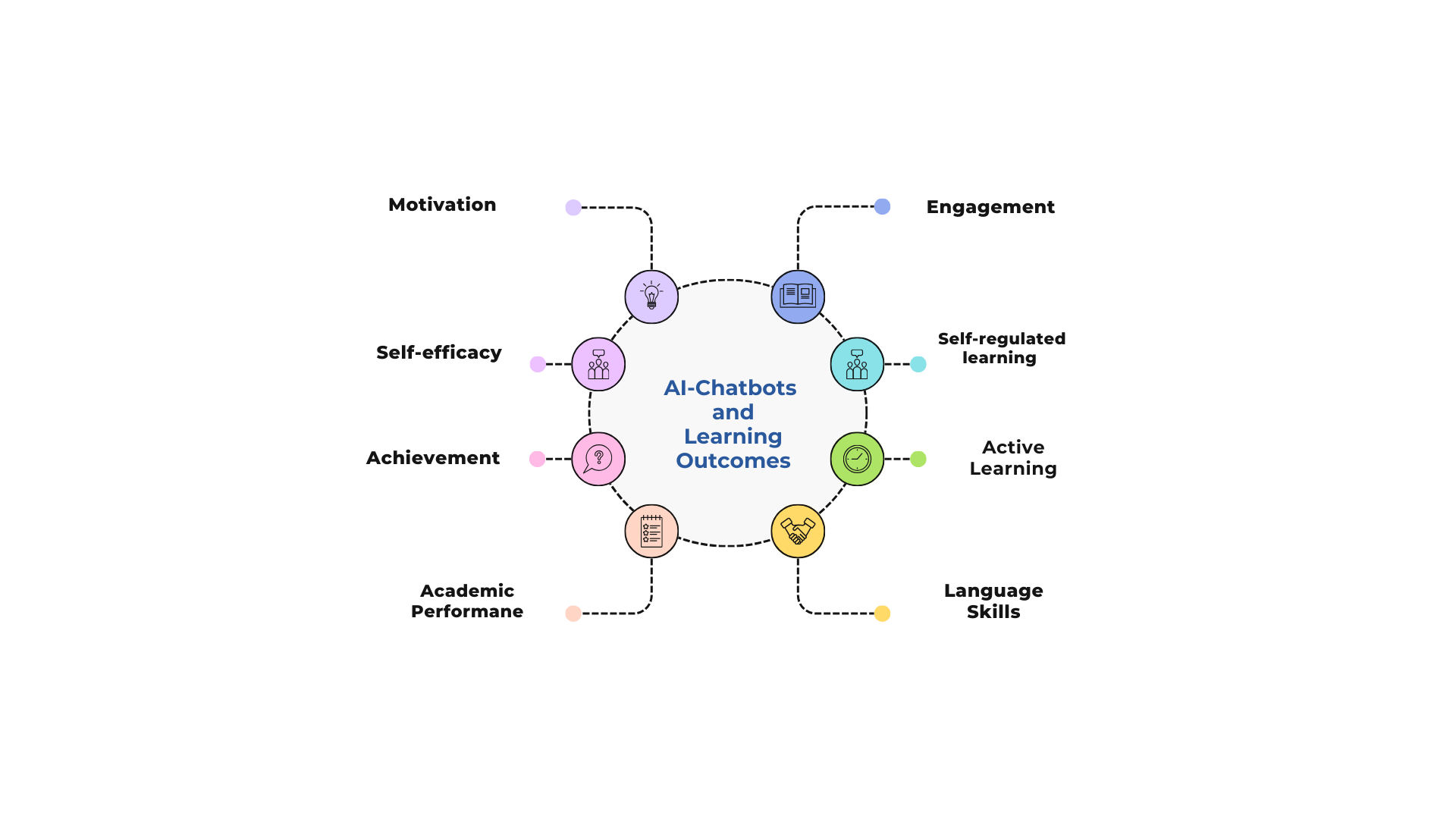
Figure 4. AI-Chatbots and Learning Outcomes
For theAnswerto theThird Question:How can AI Chatbots be Leveraged to Improve Different Learning Outcomes?
Considering the analytical review of previous studies and the results of studies on the impact of chatbots on different learning outcomes, a set of critical points and guidelines can be deduced when using chatbots to improve different learning outcomes as follows:
Chatbots' effectiveness in enhancing self-efficacy is evident in contexts where the intervention is integrated with the learner's needs and where sufficient time is given for interaction. At the same time, the impact remains limited when there is insufficient time for interaction (Entenberg et al., 2023) or the area of intervention is limited to non-academic or directly applied elements. Therefore, when designing and implementing chatbots or intelligent virtual assistants, they must be customized to suit the subject's and the learner's nature while ensuring the integration of interactive activities that enhance the learning experience and give enough time for practice and repetition.
Chatbots can be effective learning aids that increase learning achievement and academic performance compared to traditional methods, especially in virtual environments or when human support is unavailable. In addition, some research has noted that the positive impact is greater when the robot's role is integrated with the support of a real teacher, and when learners have high digital competencies. There is a need to integrate chatbots into the educational environment as a support tool to help students in different disciplines, especially in subjects that require continuous revision and self-support. Emphasis should also be placed on developing interactive educational content via chatbots that enhances self-achievement, motivation, and satisfaction with the educational process, as well as emphasizing the integration of the role of chatbots with the role of teacher support, as the teacher should contribute to guiding students and improving their use of chatbots to achieve better academic results.
When integrating AI chatbots into the curriculum, a pedagogical framework must allow for diverse activities and stimulate active learning among learners. Teachers and students must be trained in the optimal use of chatbots. Chatbots should incorporate active learning strategies and customize feedback according to student characteristics and learning objectives.
Some studies have recommended providing practical opportunities for students to build or develop chatbots, which enhances motivation, increases the depth of their understanding of the technology and its educational applications, and allows them to engage in their learning process.
Despite the great benefits of AI chatbots, the role of the human teacher remains essential, especially in supervision, guidance, and course correction when teaching. Thus, the teacher is indispensable in guiding learners before, during, and after communicating with chatbots.
Many studies have emphasized that chatbots can effectively motivate students and increase their motivation to learn through several methods, including providing emotional and cognitive support that enhances a sense of self-efficacy, creating interactive learning environments that increase self-motivation, and providing immediate feedback that promotes continued learning. Therefore, we must focus on the diversity of the support offered to students, not only cognitive support, but also emotional support, which in turn affects the creation of an interactive environment that increases students' self-motivation for the learning process.
Previous studies have indicated that chatbots play an important role in enhancing student engagement in the learning process by motivating students and increasing their motivation toward active participation. They also support self-directed learning by providing immediate feedback and promoting understanding and metacognitive thinking through interactive methods and practical experiences. Chatbots also influence student engagement in learning as an important learning outcome when the feedback is linked to the needs and specifications of the learner and the course content, not just through mechanical automation of responses.
Chatbots are an essential tool in supporting and enhancing learners' self-assessment through interactive and personalized feedback for each student, which positively affects the sustainability of the self-assessment process. There should be an integration between the customized chatbot's effectiveness and the human teacher's effectiveness in supporting self-organized assessment, especially when designing responses based on the learner's thinking patterns or personality traits.
Conclusion
The current study, grounded in the PRISMA methodology and analyzing data from 26 studies extracted from 6,721 publications (published between 2021 and 2024 and indexed in Scopus and Web of Science), indicates that AI-chatbots positively enhance various learning outcomes, including academic achievement, motivation, self-assessment, educational engagement, self-efficacy, and language education. The quality of the evidence was evaluated using the Newcastle-Ottawa Scale for Education, reinforcing the credibility of the findings and highlighting the pedagogical value of this technology in the educational field. The current study provided a vision of how this technology can improve learning outcomes in light of the systematic review. Hence, this study contributes to the literature by extending prior research by highlighting the pedagogical value of chatbots and identifying gaps for future systematic reviews. Based on these results, The study recommends further systematic reviews to highlight learning outcomes associated with the implementation and use of chatbots in education that were not addressed by the systematic reviews of the papers in this study; it is recommended that chatbots be more widely integrated into educational settings, with ongoing research to determine further the contexts in which they are most beneficial and to develop precise strategies for fostering enhanced interaction and learning.
Generative AI Statement
No generative artificial intelligence (AI) tools were used in the writing, analysis, or editing of this manuscript. All content is the original work of the authors. Where software tools were used for data management or formatting, these were standard, non-generative tools.