


Introduction
Violence directed toward teachers has increasingly emerged as a significant concern within educational research and discussions of school safety. In recent years, growing attention has focused on the prevalence, forms, and consequences of aggression experienced by teachers in school environments (Astor et al., 2024; McMahon et al., 2024). Teachers may encounter a range of aggressive behaviors, including verbal abuse, threats, intimidation, physical assaults, harassment, and property damage (McMahon et al., 2024; Moon & McCluskey, 2016). Exposure to such incidents has been associated with negative outcomes, including psychological stress, reduced job satisfaction, burnout, and increased intentions to leave the profession (Longobardi et al., 2019; McMahon et al., 2024). These consequences may extend beyond individual teachers, affecting broader aspects of school functioning such as teacher retention, school climate, and institutional stability.
In this study, teacher victimization is defined as experiences of aggression, harassment, threats, or physical violence directed toward teachers within school environments. Despite increasing research attention, the literature on teacher victimization remains fragmented across national contexts, methodological approaches, and measurement frameworks. Individual studies provide valuable insights; however, differences in research design, operational definitions, and measurement instruments limit comparability and hinder the identification of broader patterns.
Systematic reviews offer a structured means of synthesizing such evidence. However, relatively few studies have systematically examined quantitative research on teacher victimization across diverse national contexts and methodological traditions. This gap limits understanding of how patterns of violence against teachers are represented in the international literature.
To address this gap, the present study conducts a systematic review of quantitative research on teacher victimization published between January 2015 and February 2026. The review synthesizes patterns related to publication trends, geographic distribution, forms of violence, perpetrator profiles, and methodological characteristics of the literature.
Teacher Victimization Research Prior to 2015
Research conducted prior to 2015 had already documented the presence of violence directed toward teachers in school environments and identified several recurring patterns in the literature. Studies from a range of national contexts—including the United States, Europe, and Asia—reported that a substantial proportion of teachers experience some form of aggression during their professional careers (Chen & Astor, 2008; Khoury-Kassabri et al., 2009; McMahon et al., 2014). These studies examined a variety of victimization experiences, including verbal abuse, threats, intimidation, and physical aggression. Across many contexts, students were consistently identified as the primary perpetrators of violence against teachers (Longobardi et al., 2019; McMahon et al., 2014).
Research conducted in Turkey prior to 2015 documented broadly similar patterns. Several studies indicated that teachers frequently encounter different forms of aggression within school environments. For example, Cemaloğlu (2007) reported that approximately half of the teachers in the study sample had experienced bullying behaviors, with students identified as the most common perpetrators. Similarly, Türküm (2011) found that 40.9% of teachers reported experiences of victimization in school settings. Other research identified variations in victimization risk associated with professional characteristics such as career stage and teacher qualifications (O zdemir, 2012). Additional studies also documented multiple forms of aggression directed toward teachers, including psychological, verbal, and physical violence occurring within school environments (Koca, 2013). Media-based analyses have also documented incidents of violence directed toward teachers in Turkey, highlighting the visibility of the issue in public discourse (Sungu, 2015).
Taken together, the literature published prior to 2015 established several important baseline patterns. First, violence against teachers was documented across diverse educational systems and cultural contexts. Second, students frequently emerged as the primary perpetrators of aggressive behavior directed toward teachers. Third, non-physical forms of aggression—particularly verbal harassment and intimidation—were reported more frequently than severe physical violence. These findings provided an initial empirical foundation for later research on teacher victimization.
Nevertheless, much of the pre-2015 literature consisted of individual empirical studies conducted within specific national or regional contexts. Systematic efforts to synthesize quantitative findings across countries and research traditions remained relatively limited. As research on teacher victimization expanded in subsequent years, a systematic examination of more recent studies became increasingly necessary to identify broader patterns in the literature and to evaluate how earlier findings have developed over time.
The Present Study: Rationale and Context
The present study was developed in response to several developments in the research literature on teacher victimization. The author previously conducted a survey examining teachers' experiences of violence in Turkish public high schools during the 2015–2016 academic year (Özdere, 2017; Özdere & Terzi, 2018). Because these data were collected at the beginning of the period examined in the present review, they provide a useful empirical reference point for interpreting patterns identified in more recent research. Accordingly, the review period begins in January 2015 in order to capture developments in the literature during the past decade and to align with the timing of this baseline dataset.
In addition, the past decade has witnessed a growing number of quantitative studies examining violence directed toward teachers in school environments. Although these studies provide valuable insights into the prevalence, forms, and perpetrators of teacher victimization, their findings are distributed across diverse countries, educational systems, and research traditions. A systematic synthesis of studies published during this period is therefore needed to identify broader patterns in the literature and to clarify how research on teacher victimization has evolved over time.
Educational systems differ considerably in terms of governance structures, disciplinary policies, cultural expectations, and norms regarding teacher authority. Despite these contextual differences, previous research suggests that certain patterns—particularly the predominance of student perpetrators and the frequent occurrence of verbal aggression—appear consistently across different national settings (Longobardi et al., 2019; Moon & McCluskey, 2016). Synthesizing recent quantitative studies therefore provides an opportunity to examine whether these patterns remain evident in the contemporary literature.
Accordingly, the present study conducts a systematic review of quantitative research on teacher victimization published between January 2015 and February 2026. The review synthesizes patterns related to publication trends, geographic distribution, forms of violence, perpetrator profiles, and methodological characteristics of the literature.
A Note on National Contexts
Before proceeding, a methodological observation regarding geographic representation is warranted. This review synthesizes studies identified through systematic searches of internationally indexed databases. The findings therefore reflect the structure of research that is visible within these databases rather than the full global landscape of scholarship on teacher victimization. The absence of studies from certain countries in the reviewed dataset should not be interpreted as a lack of research activity, but rather as a reflection of differences in publication visibility, language, and database coverage. This distinction is particularly relevant for interpreting the geographic concentration reported in this review and informs the discussion of structural biases in the literature presented later.
Contribution of the Study
This study contributes to the literature on teacher victimization in several ways. First, it provides a systematic synthesis of quantitative research published between January 2015 and February 2026, offering an updated overview of empirical findings on violence directed toward teachers in school environments. By examining publication trends, geographic distribution, forms of violence, perpetrator profiles, and methodological characteristics, the review identifies key patterns that have emerged in the literature during the past decade.
Second, the study highlights structural features of the existing research landscape. In particular, the review documents the strong methodological reliance on cross-sectional survey designs and the geographic concentration of research within a limited number of national contexts, most notably the United States. Identifying these patterns helps clarify both the strengths and the limitations of the current empirical evidence base.
Third, the study situates baseline survey data collected from Turkish public high school teachers at the beginning of the review period within the broader context of the international literature. Although these data are not part of the systematic review dataset, presenting them as contextual evidence provides an illustrative reference point for interpreting patterns observed across studies conducted in different national settings.
Taken together, the study offers a clearer understanding of how research on teacher victimization has developed in recent years and highlights important directions for future research aimed at expanding the geographic diversity and methodological breadth of the field.
Research Questions
The present study addresses the following research questions:
1. What publication trends and geographic patterns characterize quantitative research on teacher victimization published between January 2015 and February 2026?
2. What forms of violence against teachers and perpetrator profiles are most frequently reported in the reviewed studies?
3. What methodological characteristics (e.g., research designs, sample sizes, and study contexts) characterize the existing quantitative literature on teacher victimization?
Methodology
Research Design
This study employed a systematic review design to synthesize quantitative empirical research examining teacher victimization in school settings. Systematic reviews provide a structured and transparent approach for identifying, selecting, and synthesizing existing research evidence through predefined search strategies, eligibility criteria, and analytical procedures (Page et al., 2021; Petticrew & Roberts, 2006). By applying systematic and replicable procedures, such reviews enable researchers to identify patterns across studies and provide a comprehensive overview of the existing evidence base.
The review process consisted of several stages, including database searching, removal of duplicate records, title and abstract screening, full-text eligibility assessment, data extraction, and descriptive synthesis of study characteristics. These procedures were designed to ensure a systematic and transparent approach to identifying relevant studies and summarizing patterns within the literature.
The review focused specifically on quantitative empirical studies in order to examine patterns in reported forms of violence against teachers, perpetrator profiles, research designs, and the geographic distribution of studies. Restricting the analysis to quantitative research facilitated more consistent comparison of methodological characteristics and reported findings across studies. The identification, screening, and reporting procedures followed the recommendations of the PRISMA 2020 guidelines for systematic reviews (Page et al., 2021).
Data Sources
Two academic databases were used to identify relevant studies: Scopus and ERIC (Education Resources Information Center). Scopus is one of the largest multidisciplinary abstract and citation databases and provides extensive coverage of peer-reviewed journals across the social sciences, education, and psychology (Falagas et al., 2008). ERIC is a specialized database widely used in educational research and offers comprehensive coverage of scholarly publications related to education, including peer-reviewed journal articles, reports, and other academic materials.
These databases were selected because they provide broad coverage of international research in education and related social science fields and are commonly used sources in systematic reviews within educational research (Gusenbauer & Haddaway, 2020). The combination of Scopus and ERIC allowed the identification of studies published across a wide range of education, psychology, and interdisciplinary journals relevant to teacher victimization.
Although additional databases such as Web of Science and PsycINFO are commonly used in systematic reviews, Scopus and ERIC were selected for this study due to their broad coverage of education and social science research and their strong indexing of peer-reviewed journal articles relevant to teacher victimization. This combination was considered sufficient to capture a comprehensive and representative sample of the international literature within the defined scope of the review.
In addition, a formal risk-of-bias assessment was not conducted, as the primary aim of this review was to identify structural patterns in the literature (e.g., research designs, forms of violence, and perpetrator profiles) rather than to estimate pooled effect sizes or evaluate intervention outcomes. Nevertheless, key methodological characteristics such as sample size, research design, and study context were systematically documented to support an informed interpretation of the findings.
Search Strategy
The literature search covered publications published between January 2015 and February 2026. The starting point was selected to capture developments in the literature during the past decade and to align with the timing of the author's 2015–2016 survey on teacher victimization in Turkish public high schools. The search was conducted in February 2026, and only studies published up to that date were considered.
Searches were performed in the title, abstract, and keyword fields using combinations of terms related to teacher victimization and violence directed toward teachers. Boolean operators (AND, OR) were used to combine search terms in order to maximize the retrieval of relevant studies while maintaining topic specificity.
The search string used in Scopus was as follows:
TITLE-ABS-KEY ("teacher victimization"
OR "violence against teachers"
OR "teacher harassment"
OR "teacher abuse"
OR "teacher-directed violence"
OR "aggression toward teachers")
AND PUBYEAR > 2014
Minor adjustments were made to adapt the search syntax for the ERIC database while maintaining the same conceptual structure of the search terms. Where database functionality allowed, search results were further refined using filters related to quantitative research designs and survey-based studies in order to ensure consistency with the inclusion criteria of the review. The search procedures and keyword combinations were designed to ensure transparency and replicability so that the search process could be reproduced by other researchers following the same parameters.
Inclusion Criteria
Studies were included in the review if they met a set of predefined eligibility criteria related to the publication period, research topic, methodological approach, publication type, and language. These criteria were established to ensure that the review focused specifically on recent quantitative empirical research examining violence directed toward teachers in school environments. The inclusion criteria applied during the screening process are presented in Table 1.
Table 1. Inclusion Criteria for Study Selection
| Criterion | Specification |
| Publication period | January 2015 – February 2026 |
| Topic | Examined violence, aggression, or victimization directed toward teachers |
| Methodology | Quantitative empirical designs (e.g., surveys, scale-based studies, secondary data analyses, or experimental/intervention studies) |
| Publication type | Peer-reviewed journal articles |
These criteria were applied during both the title–abstract screening stage and the full-text eligibility assessment in order to ensure that the final dataset consisted of studies directly addressing teacher victimization using quantitative empirical methods.
Exclusion Criteria
Studies were excluded from the review if they met one or more predefined criteria related to methodology, topic relevance, sample characteristics, publication type, or duplication. These criteria were applied during both the title–abstract screening stage and the full-text eligibility assessment to ensure that only studies directly addressing teacher victimization using quantitative empirical methods were included in the final dataset. The exclusion criteria used in the review are presented in Table 2.
Table 2. Exclusion Criteria for Study Selection
| Criterion | Specification |
| Methodology | Qualitative or mixed-methods designs |
| Topic | Focused exclusively on student victimization or did not examine teacher victimization |
| Sample | Did not include teacher participants |
| Publication type | Non-empirical publications (commentaries, conceptual papers, editorials, book reviews, dissertations) |
| Duplicates | Duplicate records across databases |
These exclusion criteria were applied systematically during the screening and eligibility stages to ensure that the final set of included studies consisted only of relevant quantitative empirical research on violence directed toward teachers in school settings.
Study Selection Process
All records identified through the database searches were exported to a reference management system, where duplicate records were identified and removed. The remaining records were then screened in two stages. First, the titles and abstracts of the retrieved records were examined against the predefined inclusion and exclusion criteria. Second, the full texts of potentially eligible studies were retrieved and assessed to determine their final eligibility for inclusion in the review.
The screening and eligibility assessment procedures were conducted by the researcher using the predefined criteria. When studies did not clearly meet the inclusion criteria during the title–abstract screening stage, the full text of the article was examined before a final decision regarding inclusion or exclusion was made.
The database search identified 128 records across the two databases (Scopus = 97; ERIC = 31). After removing 30 duplicate records, 98 studies remained for title and abstract screening. During this stage, 42 records were excluded based on the predefined criteria. The remaining 56 studies met the eligibility criteria and were included in the final review.
The study selection process is illustrated in Figure 1, which presents the PRISMA flow diagram summarizing the identification, screening, eligibility, and inclusion stages.
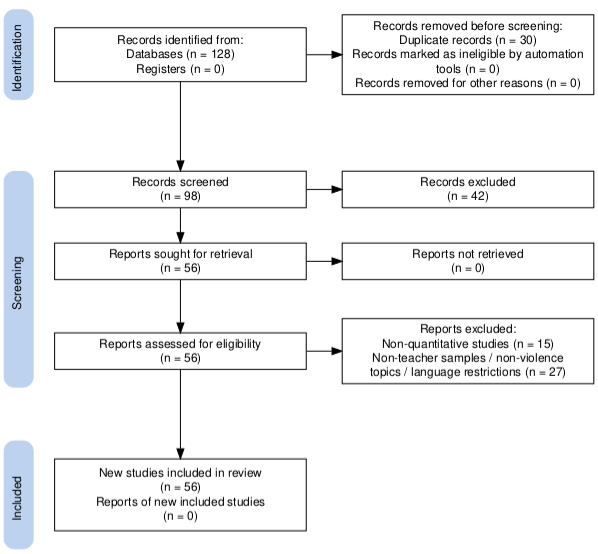
Figure 1. PRISMA flow diagram of the study selection process (Adapted from Page et al., 2021)
Following the study selection process, the included studies were subjected to data extraction and coding procedures for further analysis.
Data Extraction
Data from the included studies were extracted using a structured coding framework developed specifically for this review. A standardized coding sheet was used to systematically record key characteristics of each study in order to facilitate consistent data collection and comparison across studies.
The extracted variables included information related to publication characteristics, study context, reported forms of violence, perpetrator profiles, and methodological features of the studies. These variables were selected in order to enable the identification of patterns in the characteristics, contexts, and methodological approaches of research examining teacher victimization. The variables coded during the data extraction process are presented in Table 3.
Table 3. Variables Included in the Data Extraction Process
| Variable | Description |
| Publication year | Year of publication |
| Country | Country in which the study was conducted |
| Violence type | Type of violence reported (e.g., verbal, physical, threats, cyber, sexual harassment, property damage, multiple/mixed) |
| Perpetrator | Main perpetrator of violence (students, parents, colleagues, administrators, multiple) |
| Research design | Study design (e.g., cross-sectional survey, longitudinal study, secondary data analysis, experimental/intervention) |
| Sample size | Number of participants included in the study |
| School level | Educational level of the sample (primary, secondary, mixed, university) |
These variables were extracted to support the identification and synthesis of patterns in the characteristics, contexts, and methodological approaches of studies examining violence directed toward teachers.
Assessment of Study Quality
The primary objective of this review was to identify patterns in publication trends, research designs, forms of violence, and perpetrator profiles reported in quantitative studies of teacher victimization, rather than to estimate pooled effect sizes. Accordingly, the review focused on describing the structural characteristics of the existing literature rather than conducting a statistical synthesis or meta-analysis.
Although a formal risk-of-bias scoring system was not applied, several methodological indicators were documented to allow general evaluation of study robustness. These indicators included sample size, sampling approach (national survey vs. local sample), response rates where reported, and research design. Recording these features allowed interpretation of findings in light of the methodological characteristics of the existing literature.
Contextual Dataset Used for Illustrative Comparison
In addition to the systematic review, baseline evidence from a teacher survey conducted in Turkey during the 2015–2016 academic year is briefly referenced to provide contextual perspective on patterns identified in the international literature. These data were collected as part of the author's doctoral research (Özdere, 2017; Özdere & Terzi, 2018) and examined teachers' experiences of violence in school settings.
The population consisted of 883 teachers working in 25 public high schools located in the central district of Niğde province, Turkey. Questionnaires were distributed to all teachers in the population. A total of 620 questionnaires were returned (70.2% response rate), of which 604 responses were usable for analysis, representing 68.4% of the population.
The sample included 326 male teachers (54.0%) and 278 female teachers (46.0%). In terms of educational attainment, 486 teachers (80.5%) held undergraduate degrees and 118 teachers (19.5%) held graduate degrees. Teaching experience ranged from 1–5 years (n = 88, 14.6%), 6–10 years (n = 117, 19.4%), 11–15 years (n = 141, 23.3%), 16–20 years (n = 164, 27.2%), and 21 years or more (n = 94, 15.6%).
Data were collected using the Teacher Victimization Survey, developed by the researcher based on the instrument introduced by McMahon et al. (2014). The instrument measured 11 types of violent incidents across four categories: physical violence, verbal violence, property damage, and other forms of victimization (e.g., sexual or cyber harassment). The internal consistency reliability of the instrument was KR-20 = .712, indicating acceptable reliability for dichotomously scored items.
These survey data are presented as contextual baseline evidence and are not included in the systematic review dataset.
Data Analysis
Data extracted from the included studies were analyzed using descriptive statistical techniques. Frequencies and percentages were calculated to summarize key characteristics of the reviewed studies, including publication trends over time, geographic distribution of studies, reported forms of violence, identified perpetrators, and research design characteristics. These variables were organized and presented in tabular form in order to facilitate comparison across studies.
Given the diversity of measurement instruments, operational definitions of teacher victimization, and reporting formats across the included studies, the findings were synthesized using a descriptive synthesis approach rather than statistical aggregation. The substantial methodological heterogeneity among studies made the use of meta-analytic techniques inappropriate for the purposes of the present review.
Findings from the 2015–2016 Turkish teacher survey were analyzed using similar descriptive procedures. These results are briefly summarized alongside the systematic review findings to provide a contextual perspective on patterns observed in the international literature.
Findings/Results
Study Selection
The database search identified 128 records across the two databases (Scopus = 97; ERIC = 31). After the removal of 30 duplicate records, 98 studies remained for title and abstract screening.
During the screening stage, the predefined inclusion and exclusion criteria were applied, resulting in the exclusion of 42 records. Among these, 15 studies employed qualitative or mixed-methods designs, while 27 studies were excluded for other reasons, such as not focusing on teacher victimization, not including teacher participants, or not meeting the publication eligibility criteria.
Following the screening and full-text eligibility assessment stages, 56 quantitative studies met the inclusion criteria and were retained for the final review. The study selection process is shown previously in Figure 1.
Publication Trends
The distribution of publications indicates a noticeable increase in research attention devoted to teacher victimization in recent years. Of the 56 studies included in the review, 18 studies (32.1%) were published between 2015 and 2019, whereas 38 studies (67.9%) were published between 2020 and February 2026. This distribution suggests that scholarly interest in violence directed toward teachers has expanded considerably during the past decade.
The distribution of studies across the two publication periods is presented in Table 4.
Table 4. Publication Trends by Period
| Period | Number of Studies | Percentage |
| 2015–2019 | 18 | 32.1% |
| 2020–2026 | 38 | 67.9% |
| Total | 56 | 100.0% |
The larger number of studies published after 2020 may reflect growing international recognition of teacher victimization as an important issue within research on school safety, teacher well-being, and educational policy. This shift also indicates that teacher victimization is increasingly being framed as a distinct research domain rather than a peripheral issue within general school violence studies.
Geographic Distribution
The geographic distribution of the reviewed studies indicates that research on teacher victimization is concentrated in a relatively small number of countries. The United States accounted for the majority of the studies (n = 39, 69.6%), suggesting that the topic has received substantially greater research attention within the U.S. compared with most other national contexts.
Studies from other countries were comparatively limited and dispersed across multiple regions. The distribution of studies by country is presented in Table 5.
Table 5. Geographic Distribution of Included Studies
| Country | Number of Studies |
| United States | 39 |
| Israel | 3 |
| China | 2 |
| Australia | 2 |
| Chile | 2 |
| South Korea | 2 |
| Spain | 2 |
| Lithuania | 2 |
| Brazil | 1 |
| Pakistan | 1 |
| South Africa | 1 |
| Germany | 1 |
| Finland | 1 |
| Norway | 1 |
| Croatia | 1 |
| Democratic Republic of the Congo | 1 |
| Italy | 1 |
| Multiple countries (meta-analyses) | 2 |
Overall, the findings suggest that empirical research on teacher victimization is geographically uneven, with the majority of studies originating from a limited number of countries. In particular, the strong concentration of studies conducted in the United States indicates that much of the current empirical evidence is shaped by research from a single national context. This concentration also suggests that prevailing conceptualizations and measurement approaches in the field may be disproportionately shaped by U.S.-based research traditions. Studies from other countries—including Israel, China, Australia, Chile, South Korea, Spain, Lithuania, Brazil, Pakistan, South Africa, Germany, Finland, Norway, Croatia, the Democratic Republic of the Congo, and Italy—were comparatively limited and dispersed across regions.
In addition, no quantitative studies from Turkey published between January 2015 and February 2026 were identified in the databases searched for this review.
Forms of Violence Reported Across Included Studies
The reviewed studies examined several forms of violence directed toward teachers. Most studies addressed multiple forms of victimization simultaneously, reflecting the multidimensional nature of aggression experienced by teachers in school environments. Of the 56 studies, 46 (82.1%) examined multiple forms of violence concurrently.
Among studies reporting specific forms of aggression, verbal violence was the most frequently investigated type, appearing in 51 studies (91.1%). Physical violence was examined in 42 studies (75.0%), while threats or intimidation were addressed in 35 studies (62.5%). Other forms of aggression—including cyber aggression (n = 12, 21.4%), sexual harassment (n = 9, 16.1%), and property damage (n = 8, 14.3%)—were examined less frequently.
The distribution of violence types reported in the literature is presented in Table 6.
Table 6. Forms of Violence Reported Across Included Studies
| Violence Type | Number of Studies | Percentage |
| Verbal aggression | 51 | 91.1% |
| Physical violence | 42 | 75.0% |
| Threats/intimidation | 35 | 62.5% |
| Cyber aggression | 12 | 21.4% |
| Sexual harassment | 9 | 16.1% |
| Property damage | 8 | 14.3% |
Note. Categories are not mutually exclusive. Percentages indicate the proportion of studies that included each form of violence.
The findings indicate that most studies conceptualize teacher victimization as a multifaceted phenomenon, typically investigating several forms of aggression rather than focusing on a single category of violence. Verbal aggression was the most frequently examined form, while other forms of aggression received comparatively less research attention. This pattern suggests that teacher victimization is predominantly characterized by frequent, lower-intensity forms of aggression rather than severe but less common incidents.
Perpetrators
The reviewed studies examined several sources of violence directed toward teachers. The distribution of perpetrator categories reported in the literature is presented in Table 7.
Table 7. Perpetrators of Violence Against Teachers
| Perpetrator | Number of Studies | Percentage |
| Students | 42 | 75.0% |
| Parents | 4 | 7.1% |
| Colleagues | 3 | 5.4% |
| Administrators | 1 | 1.8% |
| External actors | 1 | 1.8% |
| Multiple perpetrators | 14 | 25.0% |
Note. Percentages exceed 100% because some studies reported more than one perpetrator category.
The findings indicate that students are the most frequently reported perpetrators of violence against teachers, appearing in 42 studies (75.0%). This pattern suggests that teacher victimization is most often examined within the context of student–teacher interactions in school environments. This dominant focus on student perpetrators suggests a narrowing of the analytical lens in the literature, potentially underrepresenting other sources of violence within school environments.
A smaller number of studies reported multiple perpetrator categories, indicating that teachers may experience aggression from more than one source within the school setting. Other potential perpetrators—including parents, colleagues, administrators, and external actors—were identified in relatively few studies.
Overall, the findings suggest that research on teacher victimization has focused predominantly on student-perpetrated aggression, while other potential sources of violence against teachers have received comparatively limited scholarly attention.
Research Designs
The reviewed studies employed several research designs to examine teacher victimization. The distribution of research designs across the included studies is presented in Table 8.
Table 8. Research Designs of Included Studies
| Design | Number of Studies | Percentage |
| Cross-sectional survey | 52 | 92.9% |
| Longitudinal | 2 | 3.6% |
| Experimental/intervention | 2 | 3.6% |
| Secondary data analysis | 0 | 0.0% |
The findings reveal a strong methodological concentration in cross-sectional survey designs, which accounted for 52 studies (92.9%). In contrast, longitudinal studies and experimental or intervention-based research were extremely limited, each representing only two studies (3.6%). This methodological concentration limits the field’s ability to generate causal explanations and to evaluate the effectiveness of interventions addressing teacher victimization.
This pattern indicates that research on teacher victimization has relied predominantly on self-report survey methodologies, with relatively limited use of research designs capable of examining causal relationships, intervention effects, or changes over time.
Sample Characteristics
The sample sizes of the reviewed studies varied considerably, reflecting differences in research design, data sources, and study scope. Several studies relied on large-scale national or regional surveys, including datasets based on nationally representative samples of teachers (e.g., Curran et al., 2019; McMahon et al., 2024). In contrast, other studies were conducted using smaller institutional or regional samples, often focusing on teachers within specific school systems or local contexts.
Across the included studies, the median sample size was approximately 850 teachers, with sample sizes ranging from fewer than 100 participants to more than 37,000 teachers (Payne & Gottfredson,2004). The largest datasets were typically derived from national school safety surveys or administrative databases, whereas smaller studies were more likely to rely on locally collected survey data.
Overall, these findings indicate that research on teacher victimization has been conducted using both large-scale survey datasets and smaller localized samples, resulting in variation in the scope, representativeness, and generalizability of the existing literature.
Contextual Illustration: 2015–2016 Turkish Survey Data (Not Included in the Systematic Review)
To provide contextual evidence from Turkey, findings from a teacher survey conducted in Niğde province during the 2015–2016 academic year are briefly summarized. These data are presented solely as illustrative contextual evidence and were not included in the systematic review dataset.
Among the 604 teachers surveyed, 126 teachers (20.9%) reported experiencing at least one incident of violence. In total, 236 incidents were reported. Verbal aggression was the most frequently reported form of victimization, accounting for 68.2% of incidents, followed by property damage (15.7%), physical violence (9.0%), and other forms of aggression, including sexual or cyber harassment (7.2%).
Students were identified as the perpetrators in 69.9% of incidents, followed by incidents involving multiple actors (21.6%) and parents (8.5%). Most incidents occurred only once (72.9%), although a smaller proportion involved repeated victimization.
When viewed alongside the systematic review findings, the Turkish dataset shows patterns that broadly resemble those identified in the international literature. In both contexts, students emerge as the most frequently reported perpetrators, and verbal aggression appears as the most commonly reported form of violence directed toward teachers. Parents and multiple perpetrators appear in both datasets; however, the figures are not directly comparable because the systematic review reports the proportion of studies examining each perpetrator category, whereas the Turkish dataset reports the proportion of incidents attributed to each actor. These observations suggest that the patterns documented in the Niğde teacher survey are broadly consistent with trends reported in the international research literature on teacher victimization.
Discussion
Increased Research Attention
The findings of this systematic review indicate a clear increase in scholarly attention to teacher victimization during the past decade. Nearly two-thirds of the studies included in the review (67.9%) were published between 2020 and February 2026, suggesting that violence directed toward teachers has become a more visible topic within the broader field of school violence and school safety research. This increase in publication activity likely reflects growing recognition of the challenges associated with maintaining safe and supportive learning environments, as well as increasing concern regarding teacher well-being and professional sustainability (Longobardi et al., 2019; McMahon et al., 2024).
The growing visibility of teacher victimization in the research literature may also be linked to broader developments in educational policy and public discourse. In many countries, discussions surrounding school violence have increasingly expanded beyond student victimization to include the experiences of teachers as potential targets of aggression. Increasing awareness of the psychological and professional consequences of violence against teachers—including stress, burnout, reduced job satisfaction, and intentions to leave the profession—has likely contributed to the expansion of research in this area (McMahon et al., 2024; Moon & McCluskey, 2016).
Despite the observed growth in publication volume, the geographic distribution of the literature remains highly uneven. The majority of studies identified in this review were conducted in the United States, which accounted for nearly 70% of the included research. Consequently, much of the current empirical knowledge on teacher victimization is derived from a relatively small number of national contexts. Similar patterns of geographic concentration have been observed in other areas of educational research, where internationally visible scholarship is often disproportionately shaped by studies conducted in a limited set of countries (Gusenbauer & Haddaway, 2020). This concentration highlights the importance of expanding empirical research across diverse educational systems in order to develop a more comprehensive understanding of violence directed toward teachers. Beyond the increase in research attention, the reviewed studies also reveal a number of recurring empirical patterns in the ways teacher victimization is reported and conceptualized across different educational contexts.
Consistency of Core Patterns
The findings of the present review suggest that several core patterns identified in earlier research on teacher victimization remain evident in more recent studies. In particular, the predominance of student perpetrators and the frequent reporting of verbal aggression observed across the reviewed literature closely align with patterns documented in earlier empirical studies on violence directed toward teachers (Cemaloğlu, 2007; Lokmić et al., 2013; McMahon et al., 2014).
The persistence of these patterns across studies conducted in different national contexts suggests that certain forms of teacher victimization may represent structural features of school environments rather than context-specific phenomena. Verbal aggression, for example, may occur more frequently than physical violence because it is often embedded in everyday classroom interactions and may arise from conflicts related to classroom management, disciplinary practices, or student resistance to authority. As a result, verbal forms of aggression are more likely to be reported across a wide range of educational settings.
Recent empirical research has likewise documented the predominance of student-perpetrated verbal aggression in school environments (Longobardi et al., 2019; Moon & McCluskey, 2016). In addition, broader analyses of teacher victimization have highlighted the recurring nature of these patterns across different educational systems and institutional contexts (McMahon et al., 2024). Together, these findings suggest that teacher victimization often manifests through relatively low-intensity but recurrent forms of aggression that can nevertheless have significant psychological and professional consequences for educators.
At the same time, the consistency of these findings across studies should not obscure the possibility that the prevalence and expression of teacher victimization may vary according to local institutional arrangements, cultural expectations, and school governance structures. Understanding these contextual variations therefore remains an important task for future research on violence directed toward teachers. At the same time, interpreting these recurring patterns requires careful consideration of the structural characteristics of the research literature itself, including the geographic distribution of studies and the contexts in which empirical evidence is produced.
Structural Bias in the Literature
An important implication of the present findings concerns the structural biases embedded within the existing literature on teacher victimization. Because the majority of studies identified in this review originate from the United States, the conceptual frameworks and measurement instruments commonly used in the field are largely shaped by the institutional and cultural context of U.S. schooling. This concentration raises questions regarding the extent to which current theoretical interpretations of teacher victimization are globally generalizable (Longobardi et al., 2019; McMahon et al., 2024).
Educational systems differ substantially in terms of teacher authority, disciplinary structures, and parent–school relationships. In some national contexts, teachers occupy positions of considerable social authority, which may influence both the prevalence and the forms of aggression they encounter. In other contexts, institutional support structures and reporting mechanisms may shape whether and how incidents of victimization are documented. Consequently, patterns identified in the existing literature may reflect the research priorities and institutional characteristics of a limited number of educational contexts rather than universal features of school environments (Moon & McCluskey, 2016).
The absence of Turkish studies in the reviewed dataset illustrates this structural issue. Importantly, this finding should not be interpreted as indicating a lack of research activity on violence directed toward teachers in Turkey. Earlier studies have documented various forms of aggression directed toward teachers within Turkish school contexts (Cemaloğlu, 2007; O zdemir, 2012). In addition, analyses of media coverage and national studies examining violence in school contexts have highlighted the visibility of incidents involving violence against teachers in Turkey (Girmen et al., 2018; Sungu, 2015), while more recent research has explored broader institutional and symbolic forms of violence within educational settings (Konal Memiş & Korumaz, 2024). These studies suggest that research and public discussion concerning teacher victimization do exist within the Turkish context, even if they are not always captured in internationally indexed databases.
Rather than reflecting an absence of research activity, the limited presence of Turkish studies in the dataset likely reflects broader issues related to the international visibility and indexing of research produced in different academic systems. Studies published in national journals or in languages other than English may not be captured through database-based systematic searches that rely on internationally indexed publications. Similar concerns about database coverage and language bias have been noted in methodological discussions of systematic reviews in the social sciences (Gusenbauer & Haddaway, 2020). Consequently, systematic reviews relying exclusively on large international databases may inadvertently underrepresent research conducted in certain national contexts. Expanding the geographic diversity of teacher victimization research, therefore, requires not only conducting studies in underrepresented contexts but also ensuring that such research is disseminated through channels that enable international visibility. Recognizing these structural limitations in the existing literature also highlights several important directions for future research on teacher victimization.
From a theoretical perspective, the Multilevel Institutional Accountability Model proposed in this study conceptualizes teacher victimization as a phenomenon operating across three interconnected levels: behavioral exposure, institutional processing, and governance structures. At the behavioral level, the model captures direct experiences of aggression. At the institutional level, it emphasizes how schools respond to and manage such incidents. At the governance level, it highlights the role of broader policy frameworks, accountability mechanisms, and systemic regulations in shaping both the occurrence and handling of teacher-directed violence. By integrating these levels, the model extends existing research, which has predominantly focused on individual-level experiences, and provides a more comprehensive framework for understanding how institutional and structural factors shape teacher victimization.
Research Agenda for the Field
The methodological concentration in cross-sectional survey designs also has important implications for the types of knowledge currently available in the field. Cross-sectional surveys are effective for documenting prevalence and correlational relationships but provide limited insight into causal mechanisms or the effectiveness of prevention strategies. As a result, several important questions remain insufficiently addressed in the existing literature.
First, it remains unclear how teacher victimization develops over time. Longitudinal research could offer valuable insights into how experiences of victimization evolve throughout teachers’ careers and how repeated exposure to aggression may affect outcomes such as psychological well-being, job satisfaction, professional commitment, and teacher retention (Longobardi et al., 2019; McMahon et al., 2024). Longitudinal approaches are particularly valuable for examining cumulative exposure to school violence and its long-term professional and psychological consequences for teachers.
Second, there is limited empirical evidence regarding effective strategies for preventing or addressing violence against teachers. The scarcity of experimental or intervention-based research means that the field currently provides relatively little guidance regarding which school safety policies, teacher support programs, or violence prevention initiatives are most effective (Astor et al., 2024; Espelage et al., 2013). Expanding research using intervention-based methodologies would contribute to a stronger evidence base for developing and evaluating policies and practices aimed at improving teacher safety and well-being.
Third, comparative and cross-national research remains underdeveloped. Studies that systematically compare teacher victimization across different educational systems could help identify contextual factors—such as governance structures, disciplinary policies, or cultural expectations—that influence both the prevalence and forms of violence directed toward teachers (Longobardi et al., 2019; McMahon et al., 2014; Moon & McCluskey, 2016). Such research would contribute to a more comprehensive understanding of how institutional and cultural conditions shape teachers’ experiences of victimization in school environments.
Taken together, expanding the methodological diversity and geographic scope of research on teacher victimization would contribute to a deeper and more nuanced understanding of the phenomenon and would provide stronger empirical foundations for the development of effective policies and interventions. In addition to these methodological and comparative research needs, the present review also reveals several areas of teacher victimization that remain insufficiently explored in the existing literature.
Blind Spots in Current Research
Another implication of the present findings concerns the types of violence that remain relatively underexamined in the existing literature. Because the majority of studies focus primarily on student-perpetrated aggression, other potential sources of violence against teachers—including parents, colleagues, administrators, and external actors—have received comparatively limited scholarly attention. This emphasis reflects the broader framing of school violence research, which has historically concentrated on student behavior within classroom environments (Espelage et al., 2013).
However, teachers’ experiences of victimization may extend beyond student–teacher interactions. Conflicts involving parents, tensions within school staff, and challenges related to administrative support structures may also contribute to teachers’ perceptions of victimization and workplace stress. The relatively limited attention to these forms of aggression suggests that current research may provide only a partial understanding of the range of experiences teachers encounter in school environments.
In addition to the sources of aggression, certain forms of violence remain underrepresented in the literature. While verbal aggression and physical violence are frequently examined, other forms of victimization—such as cyber aggression, sexual harassment, and property damage—were addressed in only a small proportion of the studies included in this review. Whether this pattern reflects lower prevalence or simply differential research attention remains unclear.
A further blind spot concerns the role of institutional and organizational factors in shaping teacher victimization. School disciplinary policies, reporting procedures, administrative support, and broader organizational climates may influence both the occurrence of aggressive incidents and teachers’ willingness to report them. Although some studies have begun to examine these contextual factors (McMahon et al., 2024), they remain relatively underexplored in the broader literature.
Addressing these blind spots would contribute to a more comprehensive understanding of violence directed toward teachers. Future research would benefit from examining a wider range of perpetrators, forms of aggression, and institutional dynamics in order to capture the full complexity of teacher victimization within contemporary school environments.
Strengths of the Study
Several strengths of the present review should be noted. First, the study followed the PRISMA 2020 reporting guidelines, ensuring transparency in the identification, screening, and inclusion of studies. Second, the review synthesizes more than a decade of quantitative research on teacher victimization, providing an updated overview of publication trends, geographic distribution, and methodological characteristics within the field. Third, the analysis explicitly addresses structural biases in the literature—particularly the geographic concentration of studies in a limited number of countries—thereby situating the findings within the broader dynamics of international knowledge production. Finally, the integration of contextual survey data provides an illustrative reference point without conflating empirical datasets with the systematic review itself.
Implications
The findings of this review have several implications for future research and practice related to teacher victimization. First, the consistency of core patterns across studies—including the predominance of student perpetrators and the frequent reporting of verbal aggression—suggests that teacher victimization represents a persistent feature of school environments. Continued investigation is therefore necessary to better understand the mechanisms through which such forms of aggression emerge and are sustained in educational settings. Previous research has emphasized the role of classroom interactions, school climate, and institutional support structures in shaping teachers' exposure to violence (Longobardi et al., 2019; McMahon et al., 2014; Moon & McCluskey, 2016).
Second, the strong geographic concentration of studies in the United States highlights the need for greater international diversity in teacher victimization research. Expanding quantitative research in underrepresented regions—including Turkey and other non-Western contexts—would contribute to a more comprehensive understanding of how cultural, institutional, and policy environments shape patterns of violence against teachers. Comparative and cross-national research may be particularly valuable for identifying contextual factors that influence both the prevalence and forms of teacher victimization (Longobardi et al., 2019; McMahon et al., 2014; Moon & McCluskey, 2016).
Without research from varied contexts, the field risks developing theories of teacher victimization that are implicitly U.S.-centric and may not travel well across educational systems. Conceptual frameworks developed primarily within U.S. schools—with their specific configurations of teacher authority, student discipline policies, and legal reporting requirements—may have limited explanatory power when applied to educational systems organized around different institutional logics. Comparative research is therefore not merely a matter of documenting whether similar patterns exist elsewhere, but of testing and refining theoretical understandings of teacher victimization against the full range of contexts in which it occurs. A genuinely international evidence base would enable the field to distinguish between features of teacher victimization that are genuinely universal and those that are contingent on particular institutional or cultural arrangements.
Third, the predominance of cross-sectional survey designs and the limited number of longitudinal and intervention-based studies point to important opportunities for methodological development in this field. Future research employing longitudinal approaches could provide insight into how teacher victimization evolves over time and how repeated exposure influences teacher well-being, job satisfaction, burnout, and professional commitment (Longobardi et al., 2019; McMahon et al., 2024). Similarly, intervention and program evaluation studies are needed to generate evidence on effective strategies for preventing and addressing violence against teachers and for strengthening school safety policies and teacher support systems (Astor et al., 2024; Espelage et al., 2013).
Conclusion
This systematic review synthesized findings from 56 quantitative studies published between January 2015 and February 2026, providing an updated overview of research on teacher victimization. The results indicate a clear increase in scholarly attention to violence directed toward teachers over the past decade. At the same time, the evidence base remains geographically concentrated, with a substantial proportion of studies conducted in the United States.
Across the reviewed literature, several consistent patterns emerge. Student-perpetrated aggression remains the dominant focus, and verbal aggression is the most frequently reported form of victimization. In addition, the field is strongly characterized by cross-sectional survey designs, limiting the ability to draw conclusions about causal mechanisms or changes over time. These patterns suggest that current knowledge on teacher victimization is shaped not only by empirical findings but also by methodological and geographic constraints.
The findings highlight teacher victimization as a persistent and structurally embedded challenge within school environments. At the same time, they reveal important gaps in the literature, particularly the limited attention to non-student perpetrators, underexplored forms of violence, and the absence of longitudinal and intervention-based research. Addressing these gaps is essential for developing a more comprehensive and globally relevant understanding of violence against teachers.
From a theoretical and practical perspective, the study underscores the need to move beyond descriptive prevalence research toward more analytically and contextually grounded approaches. Expanding research across diverse national contexts and incorporating more varied methodological designs will be critical for advancing the field. Strengthening the international evidence base is essential for informing policies and practices aimed at improving teacher safety, supporting teacher well-being, and fostering safer school environments through context-sensitive and evidence-based interventions.
Recommendations
Based on the findings of this systematic review, several recommendations can be proposed for research, policy, and practice. First, future research should move beyond the predominant use of cross-sectional survey designs by incorporating longitudinal and intervention-based methodologies. Such approaches would enable a deeper understanding of causal mechanisms underlying teacher victimization and allow for the evaluation of prevention and intervention strategies over time.
Second, greater emphasis should be placed on institutional and governance-level variables. Future studies should examine factors such as administrative responses, reporting procedures, disciplinary policies, and accountability mechanisms, which remain underrepresented in the current literature. Integrating these dimensions would contribute to a more comprehensive understanding of how school systems shape teachers’ experiences of victimization.
Third, researchers are encouraged to expand the geographic scope of studies on teacher victimization. The strong concentration of research in a limited number of countries highlights the need for greater representation of diverse educational contexts. Comparative and cross-national research would be particularly valuable in identifying how cultural, institutional, and policy differences influence patterns of violence against teachers.
Finally, from a practical perspective, schools and policymakers should prioritize interventions targeting student-perpetrated verbal aggression, which emerges as the most frequently reported form of teacher victimization. At the same time, strengthening administrative support systems, improving reporting mechanisms, and promoting positive school climate initiatives are essential steps toward enhancing teacher safety and well-being.
Limitations
Several limitations should be considered when interpreting the findings of this study. First, the scope of the literature search may have influenced study identification. The review was limited to Scopus and ERIC databases and to publications in English and Turkish, which may have excluded relevant studies indexed elsewhere or published in other languages. In addition, the focus on peer-reviewed journal articles and the exclusion of grey literature may introduce potential publication bias.
Second, the review included only quantitative empirical studies. While this enabled systematic comparison across studies, it excluded qualitative and mixed-methods research that could provide deeper insights into teachers’ lived experiences and contextual dynamics.
Third, the geographic distribution of the included studies was highly uneven, with a substantial concentration in the United States. This limits the generalizability of the findings across diverse cultural and institutional contexts.
Finally, the contextual comparison with the Turkish dataset was descriptive rather than statistical due to heterogeneity in measurement instruments and reporting formats. In addition, the dataset was based on a regional sample and may not fully represent the broader Turkish education system.
Ethics Statement
The contextual survey data referenced in this study were collected as part of doctoral research conducted in accordance with institutional ethical guidelines. The participants provided their written informed consent to participate in this study.
Conflict of Interest
The author declares no conflict of interest.
Funding
This research received no external funding.
Generative AI Statement
Artificial intelligence tools were used only for language editing, formatting assistance, and general writing support during the preparation of the manuscript. All conceptualization, analysis, interpretation of findings, and final decisions regarding the content of the manuscript were made solely by the author.