


Introduction
In recent years, the rapid transformation of the global industrial landscape has increased the demand for highly skilled technical talent. Alongside technical expertise, soft skills have become a critical criterion for evaluating talent, encompassing social interaction, self-control, adaptability, critical thinking, teamwork, and learning perception. These competencies are fundamental to long-term success, making their cultivation a central concern in educational management. Developing soft skills is essential for enhancing graduates’ employability and enabling them to navigate personal and professional challenges effectively (Tee et al., 2024). In vocational education, soft skills are indispensable for students’ overall development and career readiness (Islam et al., 2023).
Vocational school students represent a distinct group who often face social stigma and lower academic performance, requiring timely supervision and guidance from teachers. Compared to ordinary junior high school students, they need not only technical (hard) skills for employment but also soft skills to adapt to workplace environments (Barrera-Osorio et al., 2023). Despite their importance, vocational schools continue to prioritize technical skills while neglecting holistic soft skill development, including communication, teamwork, problem-solving, time management, and self-discipline (Shlenova, 2024). This imbalance restricts students’ comprehensive growth and limits their ability to meet the evolving demands of the labor market. Although direct evidence linking transformational leadership to students’ soft skills remains limited, existing studies highlight its potential influence (Zhao et al., 2021). Transformational leadership, characterized by vision, inspiration, personalized support, and intellectual stimulation, has been shown to enhance students’ academic performance across educational levels. Teachers who adopt such leadership behaviors can inspire students, foster motivation, and create supportive learning environments conducive to skill development (Bajcar& Babiak, 2022). As a form of positive leadership, transformational leadership holds significant potential to strengthen students’ soft skills (Sliwka et al., 2024). In vocational schools, teachers who practice transformational leadership can stimulate students’ potential, encourage innovation, and promote personal growth (Özdemir et al., 2024).
However, the mechanisms through which transformational leadership affects students’ soft skills, particularly in vocational education, remain underexplored. Self-efficacy, defined as an individual’s belief in their ability to achieve desired outcomes, may serve as a key mediating factor. Students with higher self-efficacy are more likely to engage in challenging tasks, persist through adversity, and develop essential soft skills. Previous studies on soft skill development have focused largely on direct training interventions (Hamzah et al., 2024), paying less attention to the potential mediating role of self-efficacy. Some international evidence suggests this pathway. For instance, a study in Germany found that transformational leadership in vocational education significantly enhanced students’ communication, adaptability, and teamwork skills (Mulyantoet al., 2025). Such findings indicate that leadership styles may indirectly promote soft skill development through psychological and motivational mechanisms such as self-efficacy.
To address this gap, the present study, grounded in the Job Demands–Resources (JD-R) Model, Social Learning Theory, and Self-Determination Theory, investigates whether self-efficacy mediates the relationship between teachers’ transformational leadership and vocational students’ soft skills in China. It is posited that transformational leadership can enhance students’ self-efficacy by shaping teaching styles and interaction approaches, which in turn facilitates the development of key soft skills. Furthermore, schools can adopt targeted strategies to strengthen self-efficacy, thereby improving students’ soft skill development. By examining these relationships, this study advances understanding of how educational leadership fosters the holistic development of Chinese vocational students, filling a gap in non-Western contexts. While much of the literature has centered on Western systems, limited attention has been given to how transformational leadership functions within the cultural, institutional, and pedagogical environments of East Asia. The findings are expected to provide valuable insights for educators and policymakers aiming to improve teaching practices, enhance leadership effectiveness, and optimize student outcomes in vocational education settings that differ significantly from Western models.
Literature Review
Transformational Leadership and Soft Skills
The transformational leadership framework, introduced by scholars such as Burns and Bass (1985) seeks to explain how leaders facilitate mutual growth for both organizations and individuals by inspiring and shaping followers’ beliefs, values, and behaviors. Its core characteristics include fostering innovation, shaping organizational culture, and supporting the development of organizational members, guiding them toward achieving higher goals (Deng et al., 2022). Transformational leadership is traditionally conceptualized through a four-dimensional structure: Idealized Influence—leaders serve as role models and inspire trust and respect; Inspirational Motivation—leaders articulate a compelling vision and communicate it effectively to motivate followers; Intellectual Stimulation —leaders encourage followers to think critically, challenge assumptions, and embrace innovative solutions; and Individualized Consideration—leaders provide personalized support and mentorship, catering to the unique developmental needs of their followers (Zegaracet al., 2024).
In educational settings, the application of transformational leadership by teachers fosters a positive and supportive environment that encourages students to actively engage in learning activities, ultimately enhancing their soft skills. Supportive communication, a key element of transformational leadership, plays a vital role in facilitating studentdevelopment, as does effective teacher performance management (De Nobile & Bilgin, 2022). Beyond the classroom, research has expanded to the organizational level, highlighting how transformational leadership contributes to the management and overall performance of vocational schools (Firmansyah et al., 2022).
Extensive research has explored various dimensions of transformational leadership’s impact on student performance and academic achievement. Recent meta-analyses and systematic reviews further consolidate these findings. For instance, Hoch et al. (2016),andShenandWu(2024) demonstrate through large-scale quantitative syntheses that transformational leadership consistently predicts positive learning and performance outcomes across diverse educational contexts. More recent reviews (2019–2024) also confirm its strong influence on non-cognitive skills such as collaboration, adaptability, and self-efficacy, highlighting its broad applicability to vocational education. These studies provide a comprehensive understanding of how transformational leadership fosters students’ soft skills, aligns with their expectations, and promotes equitable educational development (Kareem et al., 2023). Soft skills, which include teamwork, time management, and communication, are often intangible, difficult to measure, and critical for students’ long-term career success (Bates & Morgan, 2018). In today’s globalized world, soft skills have become essential for lifelong employability (Polakovaet al., 2023). Transformational leadership, through inspiring vision, individualized consideration, and intellectual stimulation, helps to unlock the inner potential of students or employees, promoting the development of soft skills such as communication, teamwork, self-confidence, and problem-solving (Yahya et al., 2022). Leaders set examples through their words and deeds, enabling individuals to gradually form good professional behaviors and emotional regulation abilities in practice, which is particularly crucial in the rapidly changing educational and work environments (Tsapnidouet al., 2024). Research indicates that in the context of the accelerated development of digitalization and artificial intelligence, soft skills are increasingly becoming the core criteria for measuring the competitiveness of future workforce, and transformational leadership provides the psychological support and organizational cultural foundation for the growth of such capabilities (Compunnel, n.d.). Therefore, transformational leadership not only enhances organizational performance but also provides a fertile ground for the cultivation of individual soft skills.
Over the past two decades, the concept of perceived transformational leadership has gained significant traction in the field of education and remains a central theme in educational research. This growing emphasis reflects a broader international shift in educational policy and leadership discourse, which increasingly positions school leaders as key agents of change in promoting teacher development and student outcomes. Global frameworks such as the OECD’s “School Leadership for Learning” agenda and UNESCO's Education 2030 have highlighted the importance of distributed, visionary, and transformational leadership in achieving equity and quality in education. In parallel, national policies in non-Western contexts—such as China’s National Plan for Medium- and Long-Term Education Reform and Development (2010–2020) and the subsequent Vocational Education Reform Implementation Plan (2022)—have also placed school leadership at the center of educational improvement. These policy directions underscore the strategic role of educational leaders not only in implementing curriculum reforms and fostering professional learning communities but also in cultivating students' soft skills, adaptability, and holistic competencies. Consequently, transformational leadership has emerged as a critical framework for understanding how leadership practices shape educational outcomes in diverse socio-cultural settings.
While transformational leadership is often celebrated as the "gold standard" in educational leadership, it may overemphasize personal charisma and vision-driven practices while underestimating structural constraints inherent in real-world educational settings. In resource-constrained or bureaucratically rigid environments, the motivational effectiveness of transformational leadership may be limited. Furthermore, the model tends to idealize the role of leaders, potentially overlooking the heavy workload, emotional labor, and role ambiguity experienced by frontline teachers who are expected to embody these ideals. In this regard, transformational leadership, though powerful in theory, may not be fully adaptive to all educational contexts, particularly in non-Western or under-resourced settings. To address these limitations, it is essential to consider alternative leadership frameworks such as instructional leadership and distributed leadership. Instructional leadership emphasizes curriculum delivery, academic standards, and teaching effectiveness, while distributed leadership promotes collective responsibility and shared agency among educational stakeholders. The selection of transformational leadership as the primary lens for this study is grounded in its strong alignment with vocational education’s goals for holistic development. However, this research also seeks to critically examine its cultural adaptability and practical limitations within the Chinese context, thus contributing to a more nuanced and context-sensitive understanding of educational leadership.
Transformational Leadership and Self-Efficacy.
The concept of “competence,” as proposed by Wong (2020), argues that traditional intelligence or technical skill assessments are insufficient for predicting job performance. Instead, soft skills offer a more comprehensive evaluation of an individual’s potential. This perspective has gained widespread recognition in management and organizational behavior. Goleman’s work on emotional intelligence further emphasizes the significance of understanding and managing one’s own and others’ emotions, which underpin essential soft skills such as communication, teamwork, and self-regulation (McGinniss, 2022). Furthermore, Vygotsky’s sociocultural theory provides a theoretical foundation for softskills development, suggesting that social interaction and language use are crucial in acquiring effective communication and collaboration skills, particularly within educational contexts (Alkhudiry, 2022).
Despite the importance of soft skills, research indicates a persistent gap between the competencies vocational school graduates possess and those demanded by the labor market. Vocational high school students, who are expected to transition directly into the workforce, often face high unemployment rates due to inadequate soft skills, highlighting the need for continued research and intervention in vocational education (Islamet al., 2023). Soft skills development is influenced not only by individual self-regulation but also by external factors such as role models, environmental support, and leadership guidance. Within educational institutions, transformational leadership and the broader school environment play an integral role in shaping students’ soft skills.
This study identifies four key dimensions of soft skills among secondary vocational students based on established theoretical frameworks: communication skills, which encompass the ability to clearly and effectively express ideas both orally and in writing, including active listening; teamwork skills, which involve the ability to collaborate effectively, build consensus, allocate responsibilities, and achieve collective goals; self-management and self-discipline, which include prioritizing tasks and managing stress; and problem-solving skills, which involve critical and creative thinking to address challenges efficiently (Ahmad et al., 2022).
In recent years, scholars have examined the multidimensional impact of transformational leadership in education (Kwan, 2019), emphasizing its positive influence on student achievement and overall skill development. Hu and Wang (2022) highlighted the significant role of transformational leadership in enhancing students’ skill sets, reinforcing the notion that effective leadership is crucial in vocational education. Building on these findings, the present study proposes that teachers’ transformational leadership has a direct and significant positive impact on students’ soft skills.
The present study aims to examine the relationship betweenteachers’perceived transformational leadership and the soft skills development of Chinese secondary vocational students, with a particular focus on the mediating role of student self-efficacy in this pathway.
Limited evidence is found on the relationship in Chinese educational settings, particularly within the context of secondary vocational schools. While transformational leadership has been widely studied in Western contexts, its applicability and effectiveness in non-Western, examination-oriented, and resource-constrained environments remain underexplored. In China, where vocational education plays a critical role in talent development, understanding how teachers’ leadership styles influence students’ soft skills through psychological mechanisms such as self-efficacy is both timely and necessary. This study, therefore, addresses this gap by investigating the mediating role of self-efficacy in the relationship between teachers’ transformational leadership and soft skills development among Chinese secondary vocational students.
Self-Efficacy and Soft Skills
Bandura’s (1997) Social Cognitive Theory posited that self-efficacy is influenced by three key factors: experiential mastery, social persuasion, and emotional states. Self-efficacy reflects an individual’s belief in their ability to achieve specific goals and overcome challenges. Within the educational context, transformational leadership has been shown to enhance students’ self-efficacy by fostering a sense of competence and encouraging both intellectual and emotional engagement (Salanovaet al., 2020).
its role as a key determinant of motivation, behavior, and emotional regulation. Self-efficacy influences an individual’s ability to set goals, demonstrate perseverance, and employ effective problem-solving strategies (Zelenak, 2020). Collectively, these factors shape an individual’s confidence in their capabilities and their willingness to tackle challenges. Individuals with high self-efficacy are more likely to engage in challenging tasks, persist in the face of adversity, and adopt innovative solutions to problem-solving.
For students in Chinese vocational colleges, self-efficacy plays a critical role in the development of soft skills, such as communication, teamwork, adaptability, and problem-solving. Students with strong self-efficacy are better equipped to collaborate effectively, communicate ideas clearly, and engage in critical thinking across various contexts (Stanikzai, 2023). Given the evolving demands of the modern workforce, vocational education institutions are increasingly emphasizing the importance of soft skills alongside technical expertise to ensure students’ adaptability and interpersonal competence. This shift reflects a broader recognition that technical knowledge alone is insufficient for long-term employability and career advancement in dynamic labor markets. Recent empirical studies have shown that self-efficacy significantly mediates the relationship between instructional strategies and the acquisition of soft skills (Yahya et al., 2022). Students who perceive themselves as capable are more likely to take initiative in team projects, participate in discussions, and assume leadership roles in collaborative environments. Moreover, self-efficacy supports the emotional resilience necessary for navigating interpersonal conflicts, receiving feedback, and adapting to diverse workplace settings (Tsapnidouet al., 2024).
In the Chinese vocational education context, cultural values such as collectivism andhigh powerdistance may influence the way self-efficacy interacts with soft skill development. Students with higher self-efficacy tend to challenge traditional learning roles and proactively seek opportunities for applied learning and peer interaction, which are crucial for cultivating transferablecompetencies .
Consequently, enhancing students ' self-efficacy has become a focal point of pedagogical innovation in vocational training programs. Integrating project-based learning, peer mentoring, and reflective practices into the curriculum has been found effective in strengthening both self-efficacy beliefs and core soft skills. These approaches not only support academic success but also foster the self-assurance and flexibility required in future work environments.
The Mediating Role of Self-efficacy
In the context of vocational education in China, students often experience self-doubt and social stigma related to their career paths, which can undermine their confidence and motivation. Transformational leadership—characterized by its emphasis on inspiration, individualized support, and intellectual stimulation—plays a pivotal role in addressing these challenges. Teachers who adopt transformational leadership behaviors can empower students by providing personalized guidance, setting high expectations, and fostering a supportive learning environment. Such an approach helps students recognize their potential, build resilience, and overcome internalized barriers to success. This empowerment is particularly crucial for vocational students, who often face uncertainty regarding their educational and employment prospects. By offering consistent encouragement and fostering a culture of self-belief, transformational leaders can significantly influence students’ self-efficacy, thereby enhancing their motivation and preparedness to navigate the demands of the workforce.
Empirical studies have demonstrated that transformational leadership in vocational education settings can significantly enhance students’ motivation and self-efficacy (Cai, 2024). Through their vision, encouragement, and individualized support, transformational leaders inspire students to develop critical thinking and teamwork skills, ultimately strengthening their professional competencies (Leithwood, 2021). Emphasizing the development of students’ soft skills through transformational leadership provides valuable insights into addressing existing challenges in vocational education and contributes to a deeper understanding of effective educational leadership practices.
Transformational leadership influences the development of soft skills indirectly through the enhancement of self-efficacy. First, transformational leaders cultivate students’ self-efficacy by creating a supportive and motivating environment (Zainal & Mohd Matore, 2021). Teachers’ encouragement, recognition of students’ strengths, and promotion of intellectual exploration help students develop a sense of confidence in their ability to succeed. This is particularly important in Chinese vocational education, where students often struggle with self-confidence due to social pressures and traditional teaching methods.
Secondly, self-efficacy enables students to take an active role in the development of their soft skills. Higher self-efficacy leads to greater perseverance, proactive learning behaviors, and the effective application of interpersonal communication and problem-solving strategies. Thus, self-efficacy serves as a crucial mechanism through which transformational leadership translates into tangible improvements in students’ soft skills. This dual process highlights self-efficacy as a bridge between leadership practices and student outcomes.
The proposed theoretical model illustrating these relationships is presented in Figure 1, which conceptualizes self-efficacy as a mediating factor in the relationship between transformational leadership and students’ soft skills development.
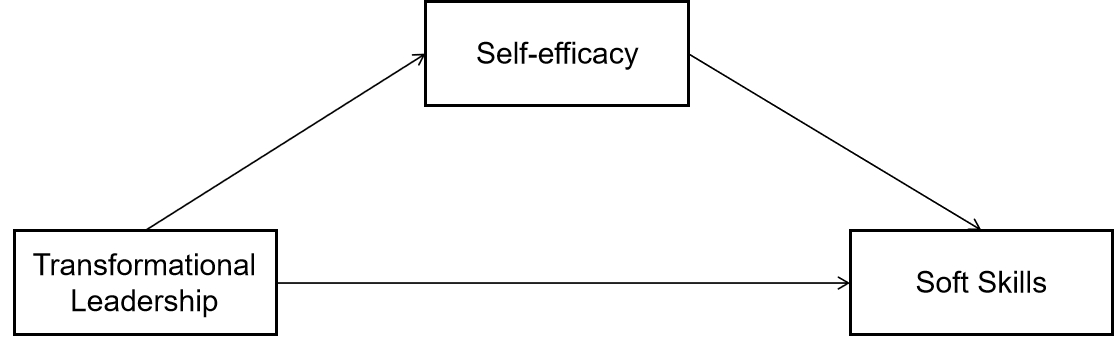
Figure 1. The Proposed Theoretical Model
Figure 1 illustrates the conceptual framework of this study, which proposes that transformational leadership not only has a direct positive impact on students’ soft skills but also an indirect effect mediated by self‐efficacy. Specifically, prior studies indicate that transformational leadership behaviors such as intellectual stimulation and individualized consideration directly enhance communication and problem-solving skills (Tsapnidouet al., 2024; Yahya et al., 2022). In addition, transformational leadership fosters students’ psychological resources by increasing their confidence and self-regulation, which reflects the mediating role of self-efficacy (Salanovaet al., 2020; Q. Wang et al., 2023). Finally, students with higher self-efficacy are more likely to develop stronger teamwork, adaptability, and time-management skills, thus linking self-efficacy to soft skills development (Stanikzai, 2023). These theoretical pathways collectively justify the arrows shown in Figure 1 and strengthen the logic of the proposed mediation model. In other words, self‐efficacy functions as a key psychological pathway through which transformational leadership enhances students’ soft skills. Thistheoretical model reflects the core assumption that leadership influences students’ personal development both behaviorally and psychologically.
Methodology
Standardized and validated scales were utilized to measure the key constructs in this study. A five-point Likert scale was adopted from “totally disagree” to “totally agree”, with higher scores indicating greater agreement with each statement. Participants provided self-assessments, and total scores were derived by summing individual item responses, with higher scores reflecting higher competency levels in the respective constructs.
Teachers’ Transformational Leadership
Transformational leadership was assessed using a revised version of Bass and Avolio’s Multifactor Leadership Questionnaire (MLQ) (Batista-Foguetet al., 2021). The final instrument encompassed four core dimensions: idealized influence, inspirational motivation, intellectual stimulation, and individualized consideration, with a total of 16 items, four per dimension. A sample item includes: “My teacher encourages me to challenge myself in my studies.” The reliability of the scale was confirmed, with an overall Cronbach’s alpha coefficient of .877, demonstrating high internal consistency. To further establish construct validity, confirmatory factor analysis (CFA) was conducted. The standardized factor loadings for all items exceeded the recommended threshold of .60, with AVE values above .50 and CR values above .70 for each construct. These results confirm that the measurement instruments demonstrated satisfactory convergent validity and internal consistency, thereby supporting the robustness of the measurement model. The Cronbach’s alpha values for the four sub-dimensions were as follows: idealized influence (.643), inspirational motivation (.648), intellectual stimulation (.603), and individualized consideration (.766), indicating satisfactory reliability across the dimensions.
Soft Skills
Soft skills were measured using a revised version of the Student Soft Skills Scale, based on the theoretical framework proposed by Dudley and Winterton (Liu et al., 2024). The scale consisted of 16 items categorized into four dimensions: communication skills, teamwork, problem-solving skills, and time management/self-discipline, with four items allocated to each dimension. An example item from the scale is: “I can clearly express my thoughts and feelings”. The internal consistency of the scale was strong, with a Cronbach’s alpha coefficient of .947. The reliability for each of the four dimensions was also high: communication skills (.798), teamwork (.777), problem-solving skills (.827), and time management/self-discipline (.831), affirming the robustness of the measurement instrument.
Self-Efficacy
Self-efficacy was assessed using the Generalized Self-Efficacy Scale (GSES) developed by Schwarzer and Jerusalem, with modifications made to suit the current study context. Given that the original scales were developed in Western contexts, we employed a rigorous cultural adaptation procedure. First, all items were translated into Chinese and then back-translated into English by bilingual experts to ensure semantic equivalence. Second, an expert panel consisting of three educational psychologists and two vocational education specialists reviewed the items for cultural relevance and clarity. Third, a pilot test was conducted with 52 Chinese vocational students to check for comprehensibility, reliability, and item distribution. Based on feedback, minor wording adjustments were made to improve clarity while retaining conceptual equivalence. These steps ensured that the adapted scales were both linguistically and culturally appropriate for the Chinese context. The scale consists of 12 items designed to evaluate individuals’ confidence in their ability to cope with challenges and adversities. A representative item from the scale is: “When faced with challenges, I can usually find a variety of solutions”. The internal reliability of the self-efficacy scale was excellent, with an overall Cronbach’s alpha coefficient of .922. Additionally, the average Cronbach’s alpha for each sub-dimension exceeded 0.80, confirming the high reliability and internal consistency of the scale.
Sample and Data Collection
A questionnaire survey was conducted from September to November 2024 at a secondary vocational school in Xingtai, Hebei Province, China. The institution is recognized as one of the key educational establishments under the jurisdiction of the Hebei Provincial Department of Education and serves as a pilot unit in national vocational education reform.
The participants comprised 412 second and third-year vocational high school students, aged between 18 and 25 years (M = 21.3, SD = 1.95). Among them, 49.3% were male and 50.7% were female. A stratified random sampling method was employed to ensure representativeness across grade levels and gender. Before data collection, informed consent was obtained from all participants, and confidentiality was strictly maintained throughout the study. After excluding incomplete and patterned responses, 320 valid questionnaires were retained, yielding a response rate of 98.77%.
Instrument Adaptation and Validity
All measurement scales were originally developed in Western contexts and were carefully adapted for use in China. The adaptation process followed three steps: (1) translation and back-translation by bilingual experts, (2) expert panel review for cultural relevance and clarity, and (3) pilot testing with 52 vocational students to ensure comprehension and reliability. Confirmatory Factor Analysis (CFA) was conducted for each scale. Standardized factor loadings exceeded 0.60, Composite Reliability (CR) values were above 0.70, and Average Variance Extracted (AVE) values exceeded 0.50, confirming convergent validity. Discriminant validity was also established, as the square root of AVE for each construct exceeded inter-construct correlations.
Prior to participation, all students were informed about the purpose of the survey, and their participation was entirely voluntary. The initial screening of returned questionnaires involved excluding incomplete responses and those exhibiting significant response patterns indicative of non-serious participation (Ward & Meade, 2023). A random sampling technique was employed to administer the survey via theWenjuanxingonline platform. A total of 324 questionnaires were distributed, of which 320 were deemed valid, yielding a high response rate of 98.77%.
Data analysis
Descriptive and correlational regression analyses were conducted to examine the relationships among the study variables. The mediating effect was assessed using the bootstrapping method with 5,000 bootstrap resamples to evaluate indirect effects within the mediation model. Confidence intervals (CIs) were analyzed, and statistical significance was determined by whether zero was excluded from the interval, indicating a significant mediation effect. To address potential common method bias (CMB), Harman’s single-factor test was employed, revealing that a single factor accounted for 31.4% of the total variance, which is below the critical threshold of 40%(Castaldo et al., 2022). This result suggests that common method bias was not a major concern in this study. Data were analyzed using SPSS (version 27.0) to assess the validity of the measurement instruments and conduct descriptive statistical analyses. Additionally, AMOS (version 26.0) was utilized for structural equation modeling (SEM), following the recommendations of Lei and Wu (2007). Prior to SEM, assumption testing was conducted. The skewness and kurtosis values for all observed variables were within the ±2 threshold, indicating acceptable univariate normality. Linearity was confirmed by examining scatterplots between independent and dependent variables, which demonstrated approximately linear relationships. Multicollinearity was assessed using Variance Inflation Factors (VIF), and all values were below 3, indicating no severe multicollinearity concerns. These results confirm that the data satisfied the statistical assumptions required for SEM. The maximum likelihood estimation (MLE) method was employed to estimate model parameters based on variance-covariance matrices, and bootstrapped standard error estimates were generated to enhance the robustness of the analysis(Kong et al., 2022).To evaluate the overall fit of the structural model, several goodness-of-fit indices were calculated, including the chi-square statistic (χ²), the chi-square/degree of freedom ratio (χ²/df), the Incremental Fit Index (IFI), the Comparative Fit Index (CFI)(Rappaport et al., 2020), and the Root Mean Square Error of Approximation (RMSEA)(Zhang &Savalei, 2023).The acceptable threshold levels for model fit indices, as suggested by prior research, include a χ²/dfratio of less than 3, IFI and CFI values greater than 0.90, and RMSEA values below 0.08, with an acceptable Standardized Root Mean Square Residual (SRMR) threshold of less than 0.08(Stone, 2021). Some sources suggest more stringent criteria, such as an SRMR below 0.08 and a CFI above 0.95(J. C. K. Wang et al., 2019), while an RMSEA below 0.05 is considered indicative of an excellent fit. Based on these guidelines, the present study considered values of CFI between 0.90 and 0.95, RMSEA between 0.05 and 0.08, and SRMR between 0.08 and 0.10 as indicating an adequate model fit.
Results
Descriptive Statistics and Correlation Analysis
In the correlation analysis, firstly, the correlation between potential variables and the significance, mean value, and standard deviation of potential variables is examined. Table 1 shows the relationship between variables. The Pearson correlation coefficient was employed to examine the relationships among teachers’ Transformational Leadership (TF), Students’ soft Skills (SK), and Self-efficacy (SE). Indicated significant positive correlations among the three variables, with all variable dimensions also showing significant positive correlations.
Table 1 Results of Descriptive and Correlation Analyses
| M | SD | TF1 | TF2 | TF3 | TF4 | SK1 | SK2 | SK3 | SK4 | SE | TF | SK | |
| TF1 | 4.012 | .623 | - | ||||||||||
| TF2 | 4.030 | .688 | .602** | - | |||||||||
| TF3 | 3.980 | .664 | .642** | .619** | - | ||||||||
| TF4 | 3.819 | .886 | .525** | .548** | .676** | - | |||||||
| SK1 | 3.664 | .851 | .371** | .360** | .329** | .197* | - | ||||||
| SK2 | 3.831 | .900 | .390** | .422** | .352** | .333** | .797** | - | |||||
| SK3 | 3.861 | .936 | .370** | .358** | .326** | .270** | .869** | .823** | - | ||||
| SK4 | 3.889 | .955 | .444** | .438** | .388** | .313** | .854** | .833** | .852** | - | |||
| SE | 3.489 | .865 | .310** | .375** | .338** | .342** | .283** | .317** | .378** | .361** | - | ||
| TF | 3.960 | .600 | .805** | .818** | .871** | .851** | .364** | .443** | .389** | .464** | .408** | - | |
| SK | 3.811 | .854 | .421** | .422** | .373** | .299** | .936** | .921** | .946** | .946** | .359** | .444** | - |
Note. ** Significant correlation at the 0.01 level (two-tailed). *Significant correlation at the 0.05 level (two-tailed).TFrepresentsTransformational Leadership, SKrepresentsSoft Skills, SE represents Self-efficacy.TF1 represents Idealized Influence,TF2 represents Inspirational Motivation, TF3 represents Intellectual Stimulation, TF4 represents Individualized Consideration. SK1 represents Communication Skills; SK2 represents Teamwork; SK3 represents Problem-solving skills, and SK4 represents Time management and Self-discipline.
Measurement Model
Based on the proposed model, the present study utilized AMOS 26 to examine the mediating effect of students’ self-efficacy (SE) in the relationship between teachers’ transformational leadership (TF) and the soft skills (SK) of secondary vocational students. The model fit indices yielded satisfactory results, with values of χ²/df= 1.128, RMSEA = 0.035, IFI = 0.986, CFI = 0.986, GFI = 0.871, and TLI = 0.984, indicating a good model fit to the data. Table X presents the standardized factor loadings of all indicators in the measurement model. All items demonstrated loadings above the recommended cutoff of 0.60, ranging from 0.62 to 0.89, thereby confirming strong convergent validity. These fit indices suggest that the hypothesized mediation model provides an adequate representation of the relationships among the study variables.
Furthermore, the primary path coefficients within the mediation model were analyzed to determine the strength and significance of the relationships among TF, SE, and SK. which outlines the direct and indirect effects, further supporting that self-efficacy serves as a significant mediating factor in the relationship between transformational leadership and students’ soft skills.
Based on the results presented, it can be observed that the model’s fit indices meet the recommended criteria, with the exception of the Goodness-of-Fit Index (GFI). Despite this exception, the overall fit of the model is considered acceptable, indicating that the proposed mediation model adequately represents the relationships among the variables.
The results confirmed that self-efficacy (SE) serves as a significant mediating variable in the relationship between teachers’ transformational leadership (TF) and students’ soft skills (SK). Demonstrating that self-efficacy partially mediates the impact of transformational leadership on soft skills development. Specifically, the direct effect of transformational leadership on students’ soft skills (β = 0.33, p < .01) indicates that teachers’ inspirational motivation, individualized consideration, and intellectual stimulation directly enhance students’ communication, teamwork, and problem-solving abilities. At the same time, the significant indirect effect through self-efficacy (β = 0.07, p < .05) illustrates that transformational leadership also strengthens students’ confidence in their capabilities, which in turn fosters persistence and adaptability. These results align with the JD-R model by showing how external resources (teacher leadership) enhance internal psychological resources (self-efficacy), and with Social Learning Theory by confirming that students internalize role models’ behaviors. They also echo Social Cognitive Career Theory and Career Construction Theory, which highlight self-efficacy and career adaptability as core mechanisms in shaping future work readiness. Practically, this means that vocational educators can improve students’ employability not only by teaching technical skills but also by cultivating self-efficacy through supportive and transformational leadership practices.
Mediation analysis
According to Hayes and Preacher (2014), mediation analysis is an effective statistical method for examining the impact of an independent variable (X) on a dependent variable (Y) through a mediating variable (M). This approach advances research by providing deeper insights into causal relationships and underlying mechanisms. Specifically, when the effect of X on Y occurs through M, the mediating role of M can be analyzed and visualized using structural equation modeling.
The mediation model examining the relationships among transformational leadership (TF), soft skills (SK), and self-efficacy (SE) indicates that teacher transformational leadership serves as the independent variable, student soft skills as the dependent variable, and student self-efficacy as the mediating variable. The mediation effect is considered statistically significant if the 95% confidence interval (CI) does not contain zero. The results confirm that self-efficacy acts as a mediator in the relationship between transformational leadership and students’ soft skills.
The analysis results further illustrate the mediating role of self-efficacy. Specifically, the direct effect of transformational leadership on soft skills is 0.24, while the mediating effect through self-efficacy is 0.07, accounting for 77.4% and 22.6% of the total effect (1.06), respectively. These findings indicate that while the majority of the impact of transformational leadership on students’ soft skills occurs through a direct pathway, a significant portion is also transmitted indirectly via self-efficacy. This underscores the importance of self-efficacy as a psychological mechanism through which transformational leadership enhances students’ soft skills development.
These results provide empirical support for the theoretical assertion that transformational leadership fosters students’ confidence in their abilities, which, in turn, facilitates the acquisition and application of essential soft skills. The partial mediation effect highlights the dual influence of transformational leadership, both directly fostering skill development and indirectly enhancing students’ self-efficacy, which further contributes to their overall growth.
To control the inflated measurement errors caused by multiple items for the latent variable and to enhance the reliability and normality of the resulting measures (Hapsari&Widhiarso, 2023). Three item parcels for self-efficacy were created using the factorial algorithm proposed by Rogers and Schmitt (2004) The procedure was conducted as follows: first, a factor analysis was performed on the items within the variable; next, the factor loadings of each item were sorted in descending order; then, all items were sequentially assigned to three parcels based on their factor loadings to ensure approximately equal factor loadings across parcels. Finally, the value of each parcel, serving as an indicator or observed variable, was calculated as the average score of several conceptually similar items.
Table 2. Decomposition of Total Effects, Direct Effects, and Mediating Effects
| SE | LLCI | LLCI | Efficiency Value | |
| Total effect | 0.06 | 0.19 | 0.43 | |
| Direct effect | 0.06 | 0.12 | 0.36 | 77.4% |
| Intermediary effect | 0.04 | 0.14 | 0.15 | 22.6% |
The results of the direct impact of transformational leadership on soft skills show that perceived transformational leadership has a significant direct impact on students’ soft skills (β = 0.33). This demonstrates that leadership traits such as intellectual motivation and personalized care can directly improve students’ communication and problem-solving abilities. These findings align with existing research emphasizing that leadership should be more extensive than shaping students’ performance.
As shown in Figure 2, the research path coefficients indicate that teachers’ transformational leadership has a significant positive effect on students’ self-efficacy. The study found that self-efficacy plays a partial mediating role in the relationship between transformational leadership and secondary vocational students’ soft skills (TF → SE, β = 0.50; SE → SK, β = 0.33). This shows that transformational leadership affects students’ self-efficacy, which in turn promotes the development of secondary vocational students’ soft skills. This mediating effect emphasizes the importance of cultivating self-efficacy.
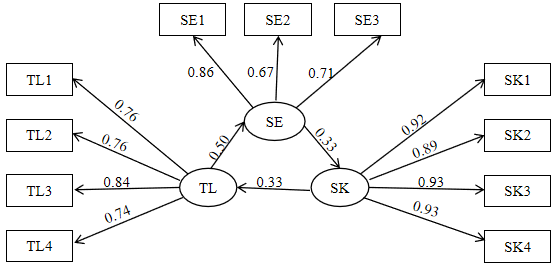
Figure 2. Structural Equation Modeling of Teachers’ Transformational Leadership, Vocational Students’ Soft Skills, and Students’ Self-Efficacy
Note.TL1–TL4 represent the four observed items measuring teachers’ transformational leadership (TL); SE1–SE3 represent the three observed items measuring students’ self-efficacy (SE); SK1–SK4 represent the four observed items measuring students’ soft skills (SK). Ellipses indicate latent variables and rectangles indicate observed variables. The numbers on the arrows represent standardized path coefficients and factor loadings. All paths are statistically significant (p< .05). TL = Transformational Leadership; SE = Self-Efficacy; SK = Soft Skills.
The path coefficient for the effect of teachers’ transformational leadership on students’ self-efficacy is 0.52, indicating that teachers’ transformational leadership has a positive effect on students’ self-efficacy. This means that students’ self-efficacy tends to increase when teachers demonstrate more transformational leadership behaviors.
The path coefficient of 0.47 for the effect of teachers’ transformational leadership on students’ soft skills indicates that transformational leadership also directly and positively affects students’ soft skills. This implies that teachers’ leadership style may directly enhance students’ soft skills.
The path coefficient of 0.20 for the effect of students’ self-efficacy on students’ soft skills shows that self-efficacy positively affects students’ soft skills, but to a lesser extent. This suggests that students with higher self-efficacy are more likely to develop better soft skills.
Table 3 Path Analysis
| Path | SE | Estimate | SE | CR | p | Hypothesis |
| TF→SE SE | 0.500 | 0.556 | 0.130 | 4.269 | .000 | supported |
| SE→SK SK | 0.326 | 0.348 | 0.118 | 2.953 | .003 | supported |
| TF→SK SK | 0.326 | 0.388 | 0.133 | 2.905 | .004 | supported |
Note. *** indicates a p-value of less than .001, indicating a highly significant effect at the 0.05 significance level.
These results indicate that transformational leadership has a significant positive effect on students’ self-efficacy (β = .556, p < .001), which in turn positively influences students’ soft skills (β = .348,p= .003). In addition, there is a direct effect oftransformational leadership on soft skills (β = .388,p= .004), suggesting the presence of both direct and indirect impact paths.
Discussion
This study examined how teachers’ transformational leadership influences the soft skills of secondary vocational students in China, with particular attention to the mediating role of self-efficacy. The findings show that transformational leadership not only directly enhances students’ soft skills but also exerts an indirect effect by increasing their self-efficacy. These results highlight the crucial function of leadership behaviors in developing students’ non-cognitive competencies within vocational education contexts.
It is important to note that one of the model fit indices, the Goodness-of-Fit Index (GFI = 0.871), falls slightly below the commonly accepted threshold of 0.90. However, other indices such as CFI (0.986), TLI (0.984), and RMSEA (0.035) are well within recommended ranges, indicating that the overall model fit remains acceptable. The slightly lower GFI may be attributed to factors such as the relatively modest sample size and the complexity of the mediation model. This limitation suggests that future research with larger and more diverse samples should be conducted to further validate the robustness of the model.
Specifically, students who perceived their teachers as demonstrating idealized influence, inspirational motivation, intellectual stimulation, and individualized consideration reported significantly higher levels of communication, collaboration, self-regulation, and problem-solving abilities. This is consistent with previous findings by Kehr et al. (2023), confirming that leadership style plays a central role in shaping student behavior and attitudes.
Moreover, the study confirmed the partial mediating role of self-efficacy. Although the explained variance through the mediating path was modest (22.6%), the effect was statistically significant. This suggests that students’ belief in their capabilities serves as a key psychological mechanism that links leadership behavior to developmental outcomes. These findings are consistent with recent studies in diverse educational contexts (Kareem et al., 2023; Kehr et al., 2023; Özdemir et al., 2024), which similarly emphasize the role of transformational leadership in fostering student motivation and competence. At the same time, our results diverge from studies that report weaker or non-significant effects of leadership on student soft skills in resource-constrained environments (Budiasihet al., 2020), suggesting that contextual differences play an important moderating role. This aligns with the work of Jardim et al. (2020),J. C. K.Wang et al. (2023), and the social cognitive theory proposed by Bandura (1997). In addition, our results corroborate conclusions from recent meta-analyses (Hoch et al., 2016), which demonstrate that transformational leadership has significant and consistent effects on both cognitive and non-cognitive student outcomes across large samples. By integrating our findings into this broader evidence base, the study confirms the robustness of transformational leadership as a predictive framework, while also illustrating its applicability to vocational education in non-Western contexts. The results also resonate with the Job Demands–Resources (JD-R) model (Bakker & Demerouti, 2017), demonstrating how external resources (i.e., transformational leadership) enhance internal psychological resources (i.e., self-efficacy), which in turn promote positive behavioral outcomes.
This study also provides evidence for the cultural applicability of transformational leadership theory. Although originally developed in Western contexts (Bass & Avolio, 1995), the theory shows strong explanatory power in ahigh powerdistance, resource-constrained Chinese vocational education environment. Specifically, Chinese collectivist values emphasize group harmony and deference to authority, which may amplify the effects of teachers’ inspirational motivation and idealized influence on students’ self-efficacy. At the same time, the hierarchical teacher–student relationship may constrain students’ autonomy, potentially limiting the strength of self-determination processes compared with Western contexts. These cultural dynamics help explain why the mediation effect of self-efficacy was significant but modest in our study. This highlights the importance of contextualizing leadership theories within the cultural norms of East Asian education systems. Similar effects were observed in Southeast Asia (Budiasihet al., 2020), indicating the cross-cultural adaptability of the model. However, as noted by Q. Wang et al. (2023), the strength of psychological mediators like self-efficacy may vary depending on cultural norms related to obedience, authority, and autonomy. The relatively weak mediation effect in this study could reflect such cultural dynamics.
Importantly, the findings underscore the developmental challenges faced by secondary vocational students, who often lack social recognition, academic support, and self-confidence. When teachers adopt empowering and motivational leadership styles, they can improve students’ learning experiences, motivation, and confidence—thereby promoting holistic skill development. This conclusion is broadly consistent with evidence from Western contexts, where transformational leadership has been shown to positively influence students’ academic achievement and personaldevelopment .At the same time, studies in Southeast Asia (Budiasihet al., 2020) and Türkiye (Özdemir et al., 2024) indicate that the strength of these effects may vary depending on resource availability and cultural expectations. The relatively modest mediation effect of self-efficacy in our study suggests that contextual factors—such as hierarchical teacher–student relationships, exam-oriented education, and limited institutional autonomy—may dampen the motivational benefits of transformational leadership in China. This highlights the importance of critically evaluating how cultural norms and institutional constraints shape the effectiveness of leadership practices, rather than assuming uniform applicability across settings. This research adds theoretical value by confirming the applicability of psychologicalmechanism modeling within non-Western educational settings and highlights the relevance of JD-R theory in explaining student learning behaviors in under-resourced environments.
Recommendations
Future studies should adopt longitudinal designs to capture changes in students’ self-efficacy and soft skills over time, thereby validating causal pathways. Comparative studies across different regions of China and international contexts would also help determine whether cultural and institutional factors moderate the effects of transformational leadership. In addition, future work could explore other mediating and moderating mechanisms, such as classroom climate, digital learning environments, or career adaptability, to enrich the theoretical model. Mixed-methods research combining surveys, interviews, and classroom observations may further strengthen the validity and depth of findings. Longitudinal designs can capture changes over time, multi-source data collection can reduce common method bias, and cross-cultural comparisons can enhance the applicability of findings across different educational contexts. Moreover, future studies are encouraged to incorporate theoretical frameworks such as the Job Demands–Resources (JD-R) model to explore how contextual factors—including institutional culture, policy structures, and support mechanisms—moderate the impact of leadership behaviors. Such integration can deepen the understanding of how leadership functions under varying organizational conditions and contribute to more comprehensive, evidence-based reforms in vocational education systems globally.
Conclusion
This study employed structural equation modeling to investigate the impact of teachers’ transformational leadership on the soft skills of Chinese secondary vocational students and explored the mediating role of self-efficacy. The results revealed both direct and indirect effects, reinforcing the importance of leadership behavior in promoting students’ communication, teamwork, self-management, and problem-solving abilities.
From a practical perspective, the findings suggest that educators should be trained to adopt more inspirational and supportive leadership practices, with an emphasis on building students’ self-confidence and motivation. Such leadership behavior can cultivate a more engaging and empowering classroom climate, ultimatelyenhancingstudents’ soft skills and improving their career readiness.
Moreover, the development of soft skills in vocational students not only supports individual growth but also addresses broader societal needs for a skilled, adaptable workforce. Vocational institutions and policymakers are encouraged to embed leadership training and psychological support into curriculum reform strategies. Practically, these findings suggest three key implications. First, vocational college leaders should provide professional development for teachers to strengthen transformational leadership behaviors, particularly inspirational motivation and individualized consideration. Second, classroom practices should integrate activities that build students’ self-efficacy—such as project-based learning, peer mentoring, and reflective exercises—so that leadership translates into stronger soft skills. Third, policymakers should design supportive policies that recognize the importance of soft skills alongside technical training, for instance by including them in national curriculum standards and evaluation frameworks. These implications underscore how educational leadership can directly contribute to enhancing students’ employability and future work readiness.
Finally, this study provides methodological insights by demonstrating how structural equation modeling can effectively capture complex relationships among leadership behavior, psychological mediators, and student outcomes. The modeling approach contributes to the literature on educational leadership and offers a replicable framework for future research in diverse cultural and institutional contexts.
Limitations
This study has several limitations. First, the sample was drawn from a single vocational school in Hebei Province, which may restrict the generalizability of findings to other regions in China or to different educational contexts. Second, the reliance on self-reported questionnaires could introduce common method variance and social desirability bias. Third, the cross-sectional design prevents causal inferences regarding the relationships among transformational leadership, self-efficacy, and soft skills. Finally, the study focused only on students’ perspectives, without triangulating data from teachers or administrators. These limitations highlight the need for methodological diversification in future research.
Ethics Statements
This study did not involve any interventions that could pose risks or harm to participants and was therefore granted an ethics exemption. Written confirmation of exemption was obtained from the Director of Academic Affairs at Xingtai Vocational College of Applied Technology, the institution where the study was conducted. All participants were fully informed about the purpose and procedures of the research and provided written informed consent before participation.
Wethank XingtaiVocational College of Applied Technology for their support in data collection. We also acknowledge the valuable feedback received from colleagues during the development of this manuscript.
Conflict of Interest
The authors declare that there are no competing interests.
Funding Statement: The authors did not receive any funds for this research project.
The datasets generated and analyzed during the current study are available from the corresponding author on reasonable request.
Generative AI Statement
As the author(s) of this work, we did not use any generative AI or AI-supported technologies in the preparation of this manuscript. All content was solely written and verified by the author(s), who take full responsibility for its accuracy and integrity.
Authorship Contribution Statement
Conceptualization: Ma and Wang. Methodology: Ma. Investigation: Ma. Data Curation: Zhang and Jiang. Formal Analysis: Ma. Writing – Original Draft: Ma. Writing – Review & Editing: Wang and Zhang. Supervision: Wang. Project Administration: Ma.